How to Prevent Workplace Injuries in Roofing?
How to Prevent Workplace Injuries in Roofing? Essential Safety Tips for Contractors
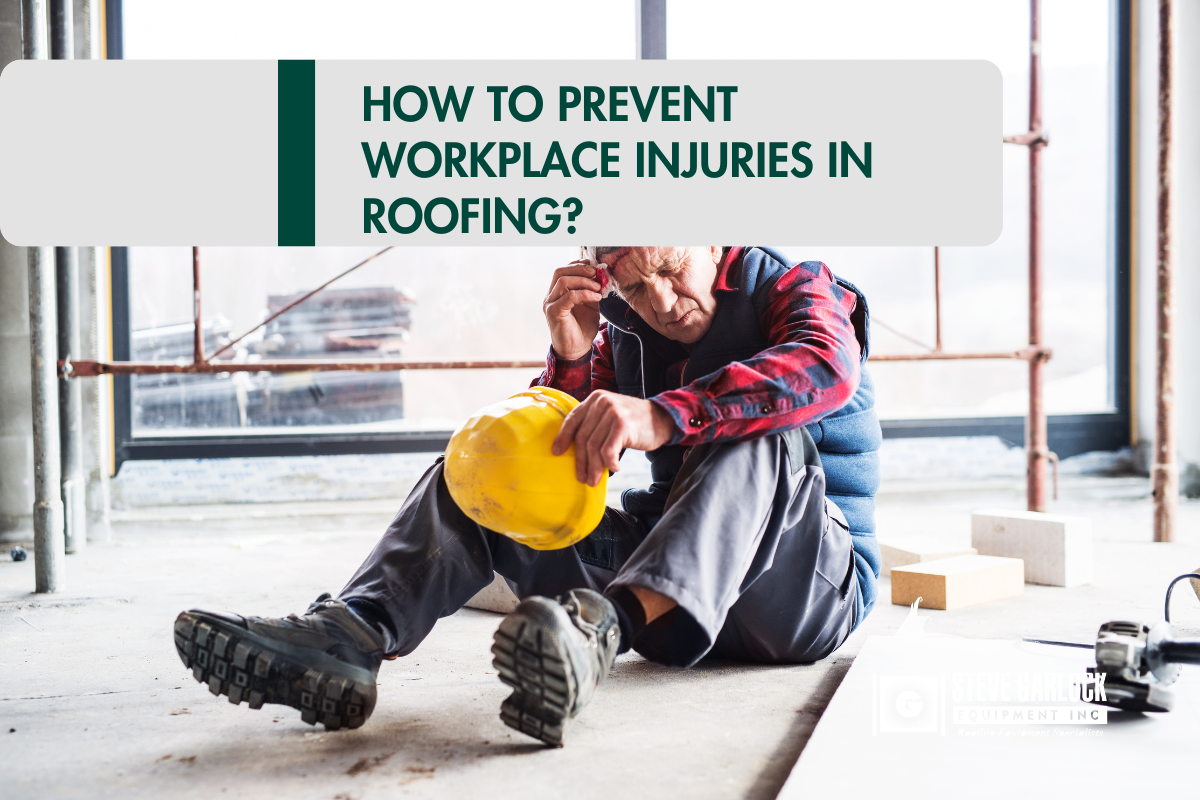
Roofing is one of the most demanding jobs in construction, where workers face constant exposure to heights, sharp tools, and unpredictable weather. Understanding how to prevent workplace injuries in roofing is essential for every contractor who wants to protect their team and deliver quality results. This is where Steve Garlock Equipment plays a vital role by supporting safer job sites with reliable equipment solutions designed for real-world roofing challenges.
From steep residential projects to large-scale commercial builds, every roof comes with its own set of hazards. The combination of height, surface conditions, and fast-paced work makes safety a top priority. Steve Garlock Equipment continues to support contractors by helping them adopt better work safety practices and more dependable safety equipment strategies that reduce risk and improve efficiency.
In this blog, we will break down practical roofing safety tips, explore common risks, and highlight how smart planning and proper systems can help reduce job-site injuries.
How to prevent workplace injuries in roofing: Understanding the basics
Learning how to prevent workplace injuries in roofing begins with understanding the environment itself. Roofing work exposes workers to multiple risks, including unstable surfaces, falling debris, and extreme heights. Every roofing job demands attention, discipline, and proper fall-prevention strategies.
Steve Garlock Equipment emphasizes that prevention starts before the first step onto the ladder. Contractors must evaluate hazards, ensure proper equipment readiness, and maintain strong communication across the crew.
Common risks include:
- Slippery or uneven roof surfaces
- Unprotected edges leading to roof fall incidents
- Poor weather is affecting grip and visibility
- Improper use of tools and ladders
- Lack of fall protection systems
By recognizing these dangers early, roofing teams can significantly reduce injuries and improve jobsite safety outcomes.
Roof hazards every contractor should identify
Every roof presents unique hazards, whether it is a steep-slope roof or a low-slope structure. These conditions require constant awareness and planning. One overlooked hazard can quickly lead to serious accidents or even a traumatic fall.
Steve Garlock Equipment encourages contractors to conduct thorough inspections before starting any roofing project. This includes checking material stability, weather conditions, and anchor points for fall protection systems.
Roofing hazards often include loose shingles, unstable decking, and exposed nails. In commercial and residential settings alike, ignoring these issues increases the chance of falls and long-term injuries.
When crews take time to identify risks early, they build a safer environment where prevention becomes part of the daily work safety culture.
Work safety mindset on roofing projects
A strong work mindset is essential in roofing because safety is not just about gear but also about behavior. Workers must stay alert and maintain focus throughout the entire shift. Distractions at heights can lead to serious consequences.
Steve Garlock Equipment supports contractors in building a culture where safety is part of every decision. This includes encouraging teams to constantly assess conditions and adjust their approach when needed.
Good safety habits include:
- Staying aware of surroundings at all times
- Following established safety practices
- Avoiding rushed or careless movement on the roof
- Using proper equipment for every task
When crews adopt a disciplined approach, the risk of injuries drops significantly, and overall productivity improves.
Prioritize safety training for roofing crews
To truly reduce accidents, contractors must prioritize safety training for all employees. Training ensures that every worker understands the risks associated with roofing and knows how to use fall protection systems correctly.
Steve Garlock Equipment believes that training is just as important as the tools themselves. Without proper knowledge, even the best equipment cannot prevent accidents.
Training should cover:
- Proper ladder setup and roof access techniques
- Correct use of personal fall protection systems
- Emergency response procedures
- Safe handling of tools and materials
When teams are well-trained, they develop confidence and reduce the likelihood of roof-fall incidents in both residential and commercial projects.
Fall arrest systems for maximum protection
A reliable fall-arrest system is one of the most important elements of roofing safety. These systems are designed to stop a fall in progress, preventing serious injury or fatal accidents.
Steve Garlock Equipment supports contractors by helping them understand how proper fall protection systems can transform jobsite safety. Whether working on steep-slope roofs or flat surfaces, fall arrest equipment is essential.
A complete system typically includes harnesses, anchors, and lifelines that work together to ensure maximum protection. When used correctly, these systems significantly reduce the impact of falls and improve overall prevention strategies.
Roofing teams that invest in proper fall-arrest setups demonstrate a strong commitment to workplace safety and worker well-being.
Personal fall protection essentials every worker needs
Personal safety is critical in roofing, and personal fall protection gear plays a major role in reducing injuries. Every worker must wear properly fitted equipment designed to protect them at all times while working on the roof.
Steve Garlock Equipment ensures contractors understand the importance of using certified gear that meets industry standards. Proper safety equipment helps prevent accidents caused by slips, missteps, or sudden loss of balance.
Essential personal gear includes harnesses, lanyards, and secure anchors that support fall prevention. Without this gear, even a small mistake can lead to serious consequences.
Workers who consistently use proper protection reduce the risk of falls and improve overall jobsite safety culture.
Roofing and modern planning tools in safety management
Modern roofing projects benefit greatly from digital planning tools like iRoofing, which help contractors improve accuracy and reduce risk. These tools support better decision-making before any physical work begins.
Steve Garlock Equipment recognizes that technology is now a key part of modern construction safety. Digital planning helps teams understand roof layouts, identify potential hazards, and more effectively prepare fall protection systems.
By using tools like iRoofing, contractors can reduce guesswork and ensure safer execution on both residential and commercial projects.
This modern approach improves coordination, enhances prevention, and supports better use of equipment on-site.
Tools and equipment inspection routines for safer work
Regular inspection of tools and equipment is essential for preventing accidents on roofing sites. Faulty or poorly maintained equipment can quickly lead to serious injuries.
Steve Garlock Equipment stresses the importance of daily checks before starting any job. Proper maintenance ensures that all safety equipment performs as expected when it matters most.
Inspection checklist:
- Check harnesses and fall protection systems for wear
- Inspect ladders for stability and damage
- Ensure power tools are functioning correctly
- Confirm anchor points are secure
- Verify all construction materials are safely stored
Consistent inspection routines help maintain high work safety standards and reduce unexpected failures during critical tasks.
Building a safer roofing workflow for long-term success
Creating a safe roofing workflow requires consistency, awareness, and accountability. Every team member must understand their role in preventing accidents and maintaining safety standards.
Steve Garlock Equipment continues to support contractors in building safer environments where prevention is part of everyday operations. From planning to execution, every stage of roofing work should prioritize safety above speed.
By combining proper training, strong fall protection systems, and reliable equipment, contractors can significantly reduce risks associated with heights, tools, and complex roofing conditions.
A strong safety culture not only protects workers but also improves productivity and project quality across both residential and commercial jobs.
Contact Us
Roofing will always involve risk, but with the right systems, training, and mindset, those risks can be controlled. Contractors who invest in prevention, equipment, and education build stronger teams and safer job sites.
Steve Garlock Equipment remains committed to supporting roofing professionals with dependable solutions that enhance safety and reduce workplace injuries. When safety comes first, success naturally follows.