What Is Torch Down Roofing?
What Is Torch Down Roofing? A Complete Guide to Flat Roof Protection and Benefits
There is a certain confidence that comes from knowing a roof is built to withstand the test of time, weather, and pressure. For many modern buildings with low-slope designs, that confidence often comes from torch-down roofing systems. If you have ever wondered what torch-down roofing is, the answer lies in a durable, heat-applied waterproofing method designed specifically for flat and low-slope structures.
At Steve Garlock Equipment, we understand how important it is for contractors and property owners to choose reliable materials and tools for demanding roofing projects. That is why Steve Garlock Equipment is committed to supporting professionals who install and maintain high-performance systems like torch-applied membranes. Throughout this guide, Steve Garlock Equipment will help you understand How this system works, why it is trusted, and why it is one of the most common types of protection for flat surfaces.
What Is Torch Down Roofing and Why It Matters in Roofing Systems
To understand what torch-down roofing is, you need to look at how modern roofing systems are designed for durability. Torch-down systems are commonly used on flat roofs and low-slope roofs, where water drainage is slower and protection is essential.
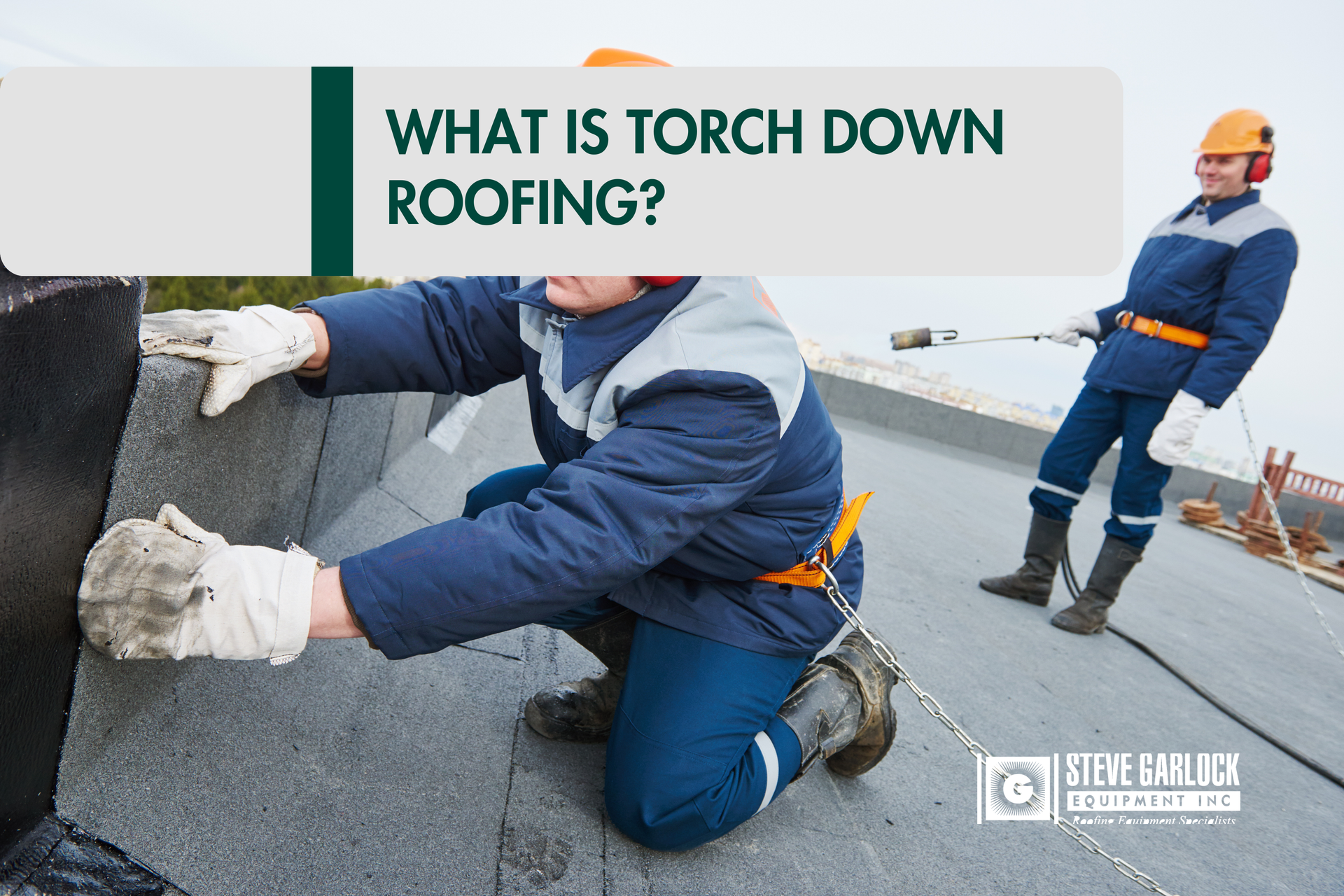
At Steve Garlock Equipment, we often explain that this system uses heat to activate adhesion between layers. A roofing torch or roof torch is used to melt the underside of the membrane so it bonds securely to the surface.
This creates a strong waterproof barrier that protects the roof from leaks, UV exposure, and weather damage. Because of its strength, torch-down roofing has become a preferred solution for commercial and residential building projects.
Torch Down Roofing Basics for Flat Roof Applications
When discussing torch-down roofing, it is important to understand How it performs on a flat roof. These surfaces require special care because water does not drain as quickly as on steeper surfaces.
At Steve Garlock Equipment, we often see contractors rely on torchdown roofing for its reliable protection on flat roofs. The system typically involves multiple layers that work together to create a sealed surface.
The design ensures water does not penetrate the roofing structure, even during heavy rainfall. This makes it a practical choice for garages, commercial units, and residential extensions.
Torch Down and Modified Bitumen Material Structure
The core of torch-down roofing is its modified bitumen composition. This specialized material is designed to handle extreme temperature changes while maintaining flexibility and strength.
At Steve Garlock Equipment, we highlight that this system is not just a single sheet but a layered solution. A base sheet is first applied to create a foundation, then heat-bonded with a propane torch.
Then a top layer, often called the cap sheet, is applied to seal the system. This layered structure ensures durability and long-term waterproofing performance.
The combination of asphalt, polymer modifiers, and reinforcement materials such as ply creates a strong barrier that resists cracking and leaks.
Torchdown Roofing Installation Process on Low-Slope Roofs
Installing torchdown roofing requires precision and proper tools. It is most commonly used on low-slope and slightly sloped roofs, where traditional shingles are ineffective.
At Steve Garlock Equipment, we emphasize that safety and technique are essential during installation. A roofing torch or roof torch is used carefully to heat the membrane, allowing it to bond securely.
The installation process generally includes:
- Preparing the flat roof surface
- Laying the base sheet evenly
- Heating the torch down layer with a controlled flame
- Rolling and pressing the membrane for adhesion
- Applying the final cap sheet for waterproofing
Each step ensures the system forms a tight seal that protects the roofing structure from water intrusion.
What Is Torch Down Roofing Compared to Other Roofing Types
When asking what torch-down roofing is, it helps to compare it with the most common types of roofing systems. Unlike single-layer membranes or metal panels, torch-down systems rely on heat bonding and multiple layers.
At Steve Garlock Equipment, we often explain that this method offers stronger adhesion compared to many traditional systems. While metal roofing is durable, it behaves differently under expansion and contraction. Torch applied systems remain flexible while maintaining strength.
The pros of torch-down roofing include:
- Excellent waterproofing performance
- Strong resistance to UV damage
- Long-lasting durability on flat roofs
- Effective sealing on low-slope roofs
- Reduced risk of leaks compared to single-layer systems
These advantages make it a reliable choice for many roofing applications.
Torch Down Roofing Equipment and Safety Considerations
Installing torch-down roofing requires specialized tools, especially a controlled propane torch or roofing torch. These tools allow precise heating of the membrane without damaging the roof surface.
At Steve Garlock Equipment, we understand the importance of using reliable equipment when working with heat-based systems. Improper handling can compromise both safety and performance.
Contractors must ensure proper ventilation and the use of controlled flame when applying heat to the cap and base sheet layers. The goal is to achieve strong bonding without overheating the material.
This process is what gives torch-down roofing its strong waterproofing ability and long-term reliability.
Torch Down Roofing Benefits for Flat Roof Protection
One of the main reasons torch-down roofing is widely used is its effectiveness in protecting flat roofs from water damage. The layered system creates a continuous seal that blocks moisture penetration.
At Steve Garlock Equipment, we often see this system used in commercial building projects where durability is essential. The combination of modified bitumen, heat bonding, and layered construction provides long-term protection.
Because water is the greatest threat to flat surfaces, this system’s waterproofing capability is a major advantage.
The system works especially well when installed correctly on low-slope roofs, where drainage is slower and more controlled.
Maintenance and Longevity of Torch Down Roofing Systems
A properly installed torch-down roofing system can last many years with minimal maintenance. Regular inspection helps ensure the cap sheet remains intact and the surface continues to repel water effectively.
At Steve Garlock Equipment, we recommend routine checks for any signs of wear, especially around seams and edges. Even though torchdown roof systems are highly durable, environmental factors can still impact performance over time.
Keeping the surface clean and free of debris helps maintain proper water flow and extend the system’s lifespan.
When properly maintained, this roofing solution remains one of the most reliable options for flat roof protection.
Contact Us
Understanding what torch-down roofing is reveals why it remains one of the most trusted solutions for flat and low-slope structures. Its layered design, heat-applied bonding, and durable materials make it a strong defense against weather and water damage.
At Steve Garlock Equipment, we take pride in supporting professionals who rely on quality tools and materials to complete demanding roofing projects. Whether it is a small repair or a full installation, Steve Garlock Equipment is committed to helping contractors achieve long-lasting results with systems like torch-down roofing.
When strength, reliability, and waterproofing matter most, Steve Garlock Equipment stands ready to support every stage of the process.