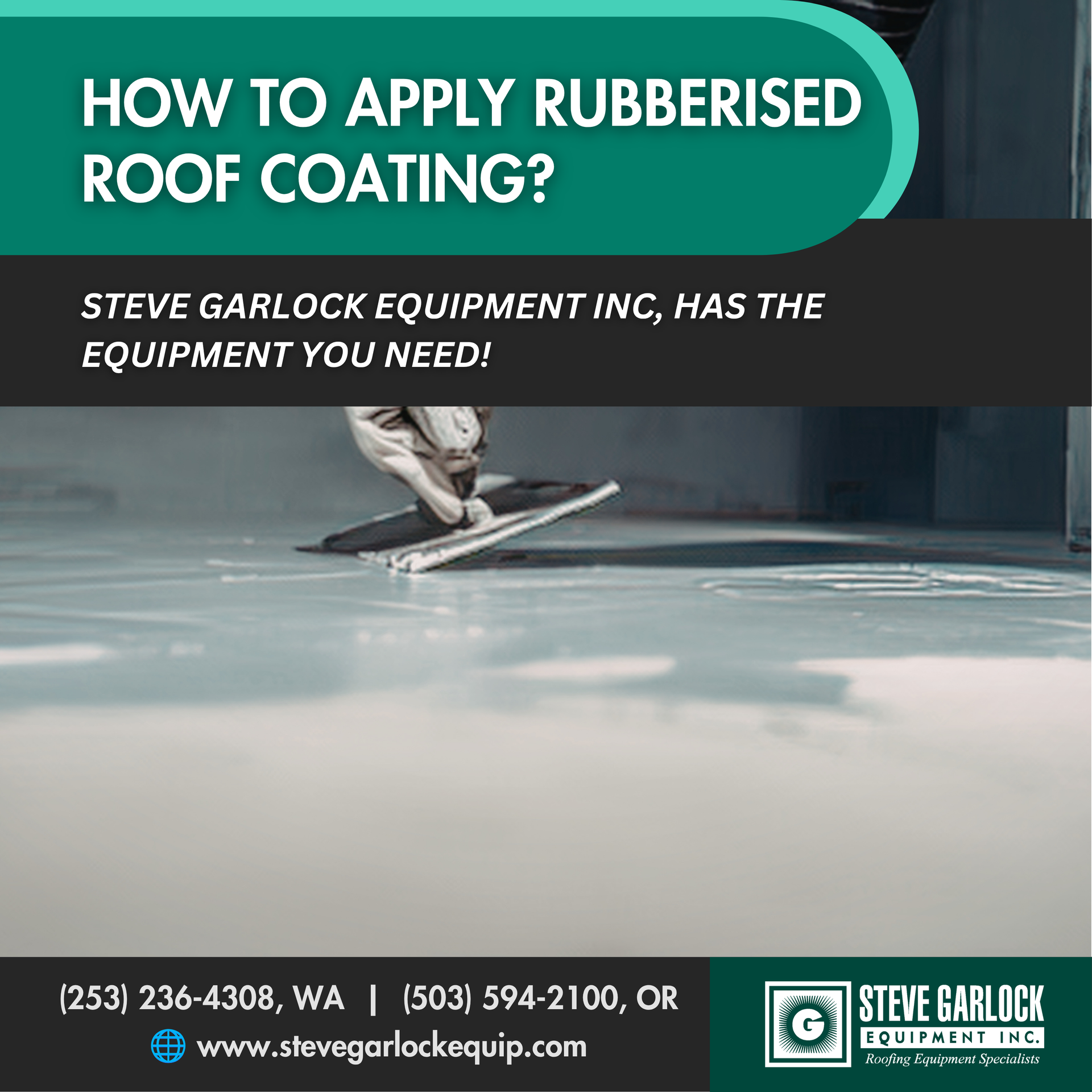
How to Apply Rubberised Roof Coating?
How Long Does Roof Coating Need to Dry Before Rain? Expert Tips to Prevent Costly Damage
A durable roof begins with the right protection, and every successful project starts with proper preparation.
Your roof works hard every day, shielding your property from rain, sunlight, wind, and changing temperatures. Over time, even the strongest roofing systems begin to show signs of wear. Fortunately, a high-quality rubberized roof coating can extend your roof's lifespan, improve water resistance, and help delay costly replacements.
If you’ve been wondering how to apply a rubberized roof coating, following the correct process is key to achieving lasting results. Whether you're maintaining a residential property or a commercial building, understanding the right techniques ensures your investment pays off.
At Steve Garlock Equipment, we believe that quality materials, dependable equipment, and proper application techniques make all the difference. This step-by-step application guide explains everything you need to know before starting your next roof coating project.
How to Apply Rubberized Roof Coating Starts with Proper Planning
Every successful coating project begins long before the first layer is applied. Careful planning helps prevent mistakes and ensures the coating performs as intended.
Before opening any product, inspect the entire roof surface for visible damage. Look for cracked seams, standing water, loose flashing, punctures, or deteriorated areas that may require repair. Addressing these problems before applying the coating prevents moisture from becoming trapped beneath the new protective layer.
Weather conditions also play an important role. Choose a period with dry conditions and moderate temperatures to allow the coating to cure properly. Reading the manufacturer’s instructions for the specific product is equally important since drying times and application recommendations vary.
Professionals often rely on Steve Garlock Equipment because having dependable tools makes each stage of the project smoother, safer, and more efficient.
Prepare the Roof Surface for a Strong Bond
Proper surface preparation is one of the most important parts of any roofing project. Even the highest-quality roof coating cannot perform well if dirt, moisture, or loose debris remain on the surface.
Start by removing leaves, dust, branches, and loose particles from the roof surface. Pressure washing may be appropriate depending on the roofing material, but always allow the surface to dry completely before continuing.
Pay close attention to drains, seams, penetrations, and flashing areas. Any contaminants left behind may reduce adhesion and shorten the life of the finished coating.
During the preparation stage, inspect the deck underneath where accessible. Structural issues should always be corrected before moving forward with the coating application.
Key preparation tasks include:
- Clean the entire roof thoroughly.
- Remove loose or damaged roofing materials.
- Complete all necessary repair work.
- Ensure the roof surface is completely dry.
- Verify weather conditions are suitable before beginning the application.
Proper preparation creates the ideal foundation for long-lasting roof coatings.
Choosing the Right Rubber and Elastomeric Coating
Not every roof requires the same solution. Selecting the appropriate rubber or elastomeric coating depends on your roofing material, climate, and performance goals.
Many property owners choose liquid rubber because it forms a seamless waterproof membrane after curing. Others prefer a liquid roof system designed specifically for aging roofing assemblies or specialized materials.
For buildings with an EPDM or rubber roof, compatibility is especially important. Using products formulated for these surfaces helps maximize adhesion and durability.
Commercial facilities often require coatings capable of handling larger roof areas, increased foot traffic, and greater exposure to weather extremes. Selecting the correct commercial-grade coating helps ensure long-term performance.
When selecting equipment and application supplies, Steve Garlock Equipment provides dependable solutions that deliver efficient, professional results.
Apply Elastomeric Roof Coating Using the Right Equipment
Once the roof is fully prepared, it is time to begin the actual coating application.
Different products may be installed with rollers, brushes, or professional spray equipment. Larger commercial projects frequently benefit from spray systems because they provide faster coverage and a more uniform finish across expansive roof areas.
As you apply elastomeric roof coating, work methodically across the roof to maintain a consistent thickness. Avoid rushing the process, as uneven coverage can reduce waterproofing performance.
Pay extra attention to seams, flashing, corners, vents, and transitions. These areas often experience greater movement and are more vulnerable to water intrusion.
Professionals understand that consistent application produces better long-term protection than applying excessively thick layers in isolated areas.
At Steve Garlock Equipment, quality equipment helps contractors complete coating projects with greater precision and efficiency.
Understanding the Complete Roof Coating Application Guide
Following a structured application guide helps eliminate guesswork and improve project outcomes.
Begin at the section farthest from your exit point so you never walk across freshly applied material. Work in manageable sections while maintaining a wet edge whenever recommended by the manufacturer.
Some systems require multiple coats. Allow sufficient curing time before applying additional layers. Rushing between coats may compromise adhesion and overall performance.
Carefully monitor coating thickness throughout the project. Applying too little may leave vulnerable spots, while applying too much can unnecessarily increase curing time.
Following manufacturer recommendations throughout the entire application process ensures the coating performs according to its intended specifications.
Roof Coating Tips for Long-Lasting Protection
A properly installed coating system offers years of dependable service, but regular maintenance remains essential.
Inspect the roof periodically, especially after severe storms or seasonal weather changes. Small issues addressed early often prevent much larger repairs later.
Keep drains clear and remove accumulated debris to reduce standing water. While quality roof coatings provide excellent protection, proper maintenance extends their lifespan even further.
If future repairs become necessary, clean the affected area thoroughly before applying additional coating. Following the original preparation procedures helps maintain a consistent protective barrier.
Routine inspections also help identify any developing issues before they become costly structural problems.
With reliable support from Steve Garlock Equipment, maintaining coated roofing systems becomes far more manageable.
Common Mistakes to Avoid During Coating Application
Even experienced installers can encounter problems when important steps are skipped.
One common mistake is applying coating over a damp roof. Moisture trapped beneath the surface may reduce adhesion and shorten the coating’s lifespan.
Another frequent issue is neglecting damaged areas during preparation. Applying a coating over existing defects does not eliminate underlying problems.
Using incompatible materials on an existing rubber roof or EPDM system may also reduce performance. Always confirm product compatibility before beginning work.
Finally, avoid applying coatings during unfavorable weather conditions. Rain, excessive humidity, or extreme temperatures may interfere with curing and final performance.
Following proven installation practices helps maximize the protective value of every roofing project.
Why Quality Equipment Makes Every Roofing Project Better
High-quality equipment supports greater consistency, efficiency, and safety throughout every roofing project.
Professional contractors understand that reliable tools reduce downtime and improve application quality, especially when working with specialized coating systems.
Whether you’re completing maintenance on a residential roof or tackling a large commercial installation, dependable equipment contributes to smoother workflows and more consistent results.
That is why contractors continue choosing Steve Garlock Equipment for dependable solutions that support professional roofing applications. From preparation through final coating application, having the right equipment helps every project reach its full potential.
Contact Us
A properly installed rubberized roof coating can significantly extend the life of your roofing system while improving weather resistance and reducing future maintenance costs. Success depends on careful planning, thorough surface preparation, high-quality materials, and proper application techniques.
When you need dependable equipment to complete your roofing projects with confidence, Steve Garlock Equipment is ready to help. Whether you’re applying your first coating or managing large commercial roofing jobs, Steve Garlock Equipment delivers reliable equipment and trusted solutions that help you achieve professional, long-lasting results. Choose Steve Garlock Equipment to support every stage of your next roof coating project with confidence and quality.