How Long Can a Generator Run?
How Long Can a Generator Run? A Complete Guide to Runtime
A generator is more than a backup machine. When the lights go out or a jobsite loses access to utility power, it becomes the bridge between an unexpected interruption and getting the work done. But one question matters before relying on that bridge: how long can a generator run?
The answer is not the same for every generator. Runtime depends on factors such as generator size, fuel type, tank capacity, electrical load, maintenance, and whether the unit is designed for temporary or extended operation. A portable generator may have a different run time than a large standby generator, even when both are operating under similar conditions.
For homeowners, contractors, businesses, and event organizers, understanding generator runtime makes it easier to plan for dependable power. Steve Garlock Equipment Inc provides equipment rental solutions that can help customers find practical power options for projects and temporary applications.
How Long Can a Generator Run on a Full Tank?
When asking how long a generator can run, one of the first things to consider is how much fuel the unit can hold. Fuel tanks come in many sizes, so two generators with similar power ratings may have noticeably different run times.
A smaller portable generator may operate for several hours on a full tank, particularly when it is carrying a moderate load. Larger equipment may have significantly greater fuel capacity and can be configured for longer operating periods.
However, tank size alone does not determine runtime. The amount of power being used has a major impact. A generator operating at a light load generally consumes less fuel than one working near its maximum capacity.
Manufacturer specifications usually provide estimated run times at particular load levels. These figures are useful for planning, but actual performance can vary depending on equipment condition, weather, fuel quality, and how the generator is being used.
Steve Garlock Equipment Inc can help customers understand the equipment available for their project and consider the expected workload when selecting a rental generator.
Generators and the Factors That Affect Runtime
Several conditions influence how long generators can operate before they need additional fuel or service. The electrical demand placed on the unit is one of the biggest factors.
Running a few lights and basic equipment requires less power than operating multiple heavy-duty tools, pumps, compressors, or HVAC equipment simultaneously. As the load increases, fuel consumption typically increases as well.
The age and condition of the equipment can also matter. A properly maintained generator is more likely to perform efficiently than one that has been neglected. Oil levels, filters, cooling systems, electrical connections, and other components all contribute to reliable operation.
Environmental conditions can also affect performance. Extreme temperatures, poor ventilation, and dusty or demanding jobsite conditions may place additional stress on equipment.
Before planning a long generator run, it is helpful to look beyond the advertised runtime and consider how the unit will actually be used.
With experience in equipment rentals, Steve Garlock Equipment Inc. can help customers evaluate practical requirements rather than relying on a single runtime number.
How Load Changes Generator Run Time
Electrical load is one of the easiest concepts to overlook when estimating generator runtime. A generator does not necessarily consume the same amount of fuel throughout its operating period.
For example, a generator supporting a moderate load may use considerably less fuel than the same unit running close to full capacity. If the equipment demand changes throughout the day, fuel consumption may change as well.
Consider a construction project where a portable generator powers several tools. Early in the morning, only a few tools may be operating. Later, multiple electric machines, lighting systems, chargers, and other equipment may run simultaneously. The generator must respond to the changing demand.
This is why it's important to calculate your expected power requirements before choosing equipment. Selecting a generator that is appropriately sized for the job can help prevent excessive fuel consumption and avoid overloading.
Steve Garlock Equipment Inc can assist customers in reviewing their equipment requirements and identifying generator options that make sense for the expected electrical load.
Portable Generator Runtime Explained
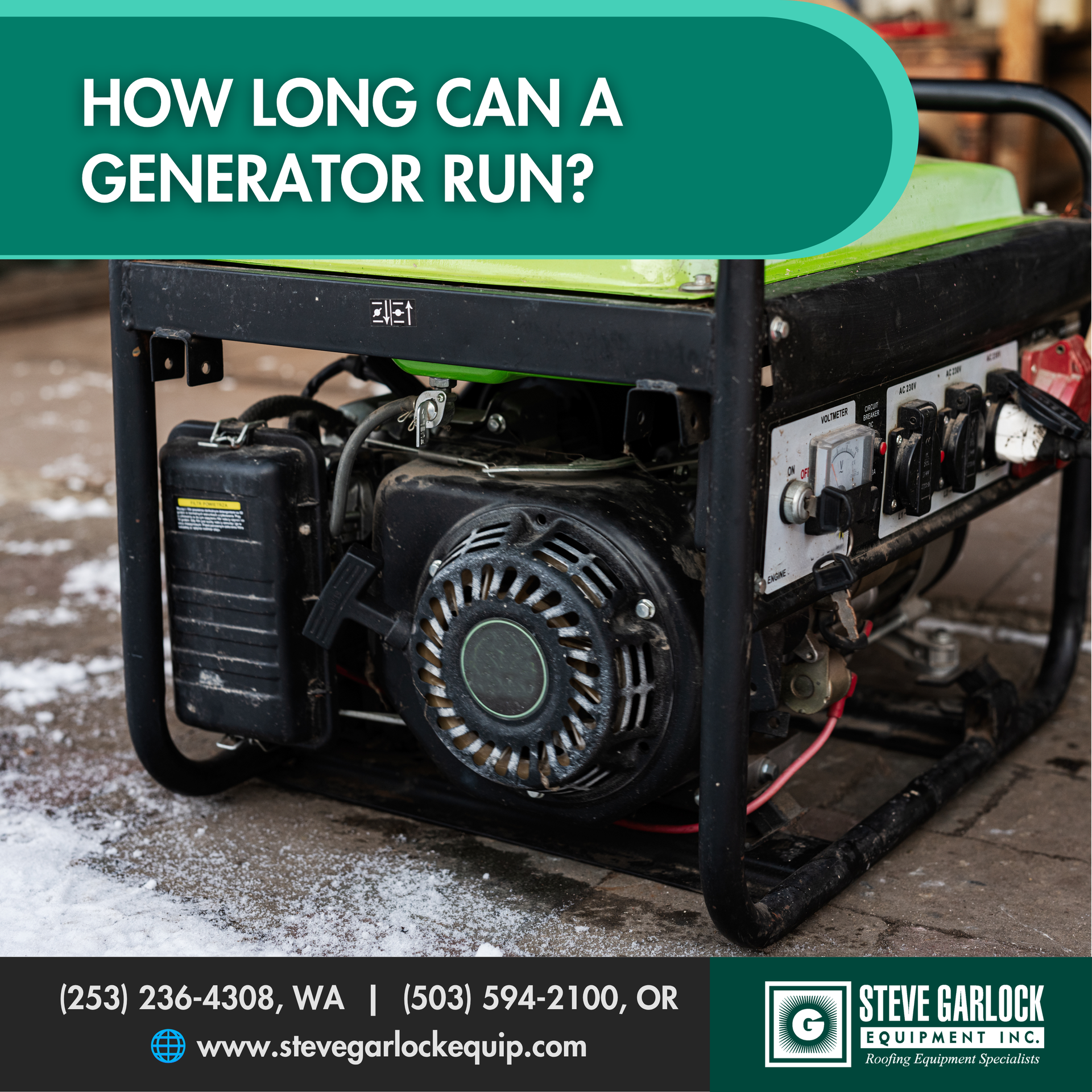
A portable generator is often selected for temporary power because it can be transported and positioned where electricity is needed. These generators can be useful for smaller jobsites, outdoor activities, emergency backup, and temporary equipment needs.
Their runtime depends on the generator's fuel tank capacity, engine design, power output, and load. A portable unit running a few essential devices may operate longer between refueling stops than the same unit powering several high-demand tools.
Fuel type also makes a difference. Some portable generators use gasoline, while others may operate on propane or other fuels. Each option has different storage, availability, and operating considerations.
If you expect to use a portable generator for an extended period, plan for refueling and make sure the equipment can be operated safely in its intended environment.
For temporary power needs, Steve Garlock Equipment Inc offers equipment rental solutions that help customers avoid purchasing a generator they may only need for a limited time.
Standby Generators for Longer Operation
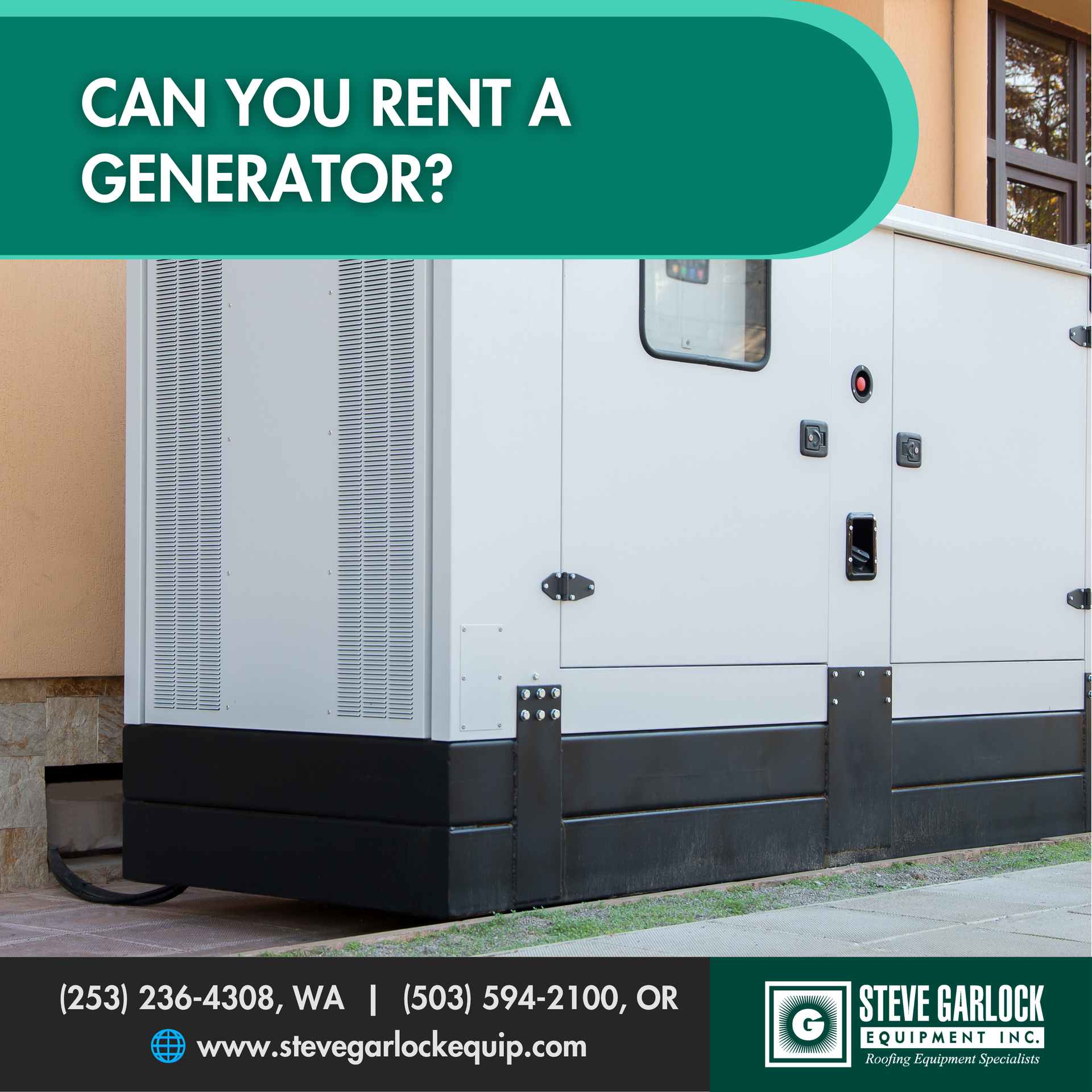
Unlike many portable units, standby generators are designed to provide backup power for homes, businesses, and other facilities when utility electricity is interrupted. They are typically installed as part of a permanent backup power system.
A standby generator may be connected to a larger fuel supply, allowing it to operate for considerably longer periods than a small portable generator. Depending on the configuration, standby generators may use natural gas or propane as their fuel source.
A standby generator can automatically start when utility power fails, helping maintain essential equipment such as refrigeration, security systems, lighting, or HVAC.
The actual runtime still depends on fuel availability, electrical demand, equipment capacity, and system design. A generator running a high electrical load will generally consume fuel faster than one supplying only essential circuits.
Steve Garlock Equipment Inc can help customers understand the differences between temporary generator equipment and longer-term power solutions so they can make an informed choice.
Continuous Operation and Generator Safety
Continuous operation requires careful planning. Although some generators are engineered for extended use, running equipment for a long time does not mean it can simply be ignored.
Fuel levels should be monitored, and the manufacturer's maintenance requirements should be followed. Oil is especially important for engine-powered equipment because proper lubrication supports reliable operation. Depending on the generator and operating conditions, oil may need to be checked or changed at specified intervals.
Generators also produce exhaust gases, so adequate ventilation is essential. Fuel-powered equipment should never be operated in an enclosed space where dangerous exhaust can accumulate.
Before beginning a long operating period, make sure you understand the manufacturer's instructions and the responsibilities associated with the equipment.
If a rental generator will be running for extended hours, Steve Garlock Equipment Inc can help you consider the equipment requirements and operating expectations before your project begins.
Natural Gas, Propane, and Other Fuel Options
Fuel choice can have a significant effect on generator operation. Gasoline, diesel, propane, and natural gas are among the fuel options used with different types of generators.
Natural gas systems can be connected to an existing utility supply, while propane systems may rely on dedicated fuel tanks. Portable generators commonly use gasoline, although some models support alternative fuels.
Each fuel type has advantages depending on the application. Availability, storage requirements, operating environment, generator design, and expected run times should all be considered.
For a project that needs power for many hours, fuel planning becomes especially important. Running out of fuel can disrupt work and cause unnecessary downtime.
Steve Garlock Equipment Inc can help customers compare available equipment and consider the fuel requirements associated with different generator options.
How to Plan for Longer Generator Run Times
If your generator needs to operate for a long time, planning ahead can make a major difference. Start by estimating the total electrical load and identifying which equipment must remain powered.
Then determine how much fuel the generator can hold and how frequently it may need refueling. It is also useful to establish a monitoring schedule so someone can check fuel, oil, operating conditions, and equipment performance.
For projects that require power overnight or for multiple days, consider whether the selected generator is designed for the expected duty cycle. A unit suitable for occasional portable use may not be the best option for demanding continuous operation.
Other considerations include weather, site accessibility, equipment placement, and the availability of replacement fuel. Proper preparation can reduce interruptions and help keep your operation running smoothly.
With the right planning and equipment, Steve Garlock Equipment Inc can help customers develop a temporary power approach that matches the duration and demands of their project.
Choosing the Right Generator for Your Runtime Needs
There is no single answer to how long a generator can run because every situation is different. A small portable generator may provide several hours of power, while larger equipment with greater fuel capacity can support significantly longer operation.
The right choice depends on your expected load, fuel type, tank size, operating schedule, and application. If you need power for a short outdoor project, a portable generator may be ideal. For extended backup requirements, standby generators or larger commercial equipment may be more appropriate.
Rather than choosing equipment based only on advertised run times, consider how the generator will perform under your actual working conditions.
Steve Garlock Equipment Inc can help you explore equipment options based on your power needs, project duration, and operating environment.
Contact Us
Reliable power starts with realistic runtime planning. Knowing how much electricity you need, how quickly your generator uses fuel, and how long the equipment is designed to operate can help you avoid unexpected interruptions.
Whether you need a portable generator for a temporary job or equipment capable of supporting extended operations, the right selection can make your power plan much more dependable. Fuel capacity, load, maintenance, and operating conditions all play a role in determining actual run time.
When you are ready to plan your next temporary power solution, Steve Garlock Equipment Inc is ready to help you find equipment suited to your application.