What Is a Construction Site Safety Plan?
What Is a Construction Site Safety Plan? Key Elements Explained
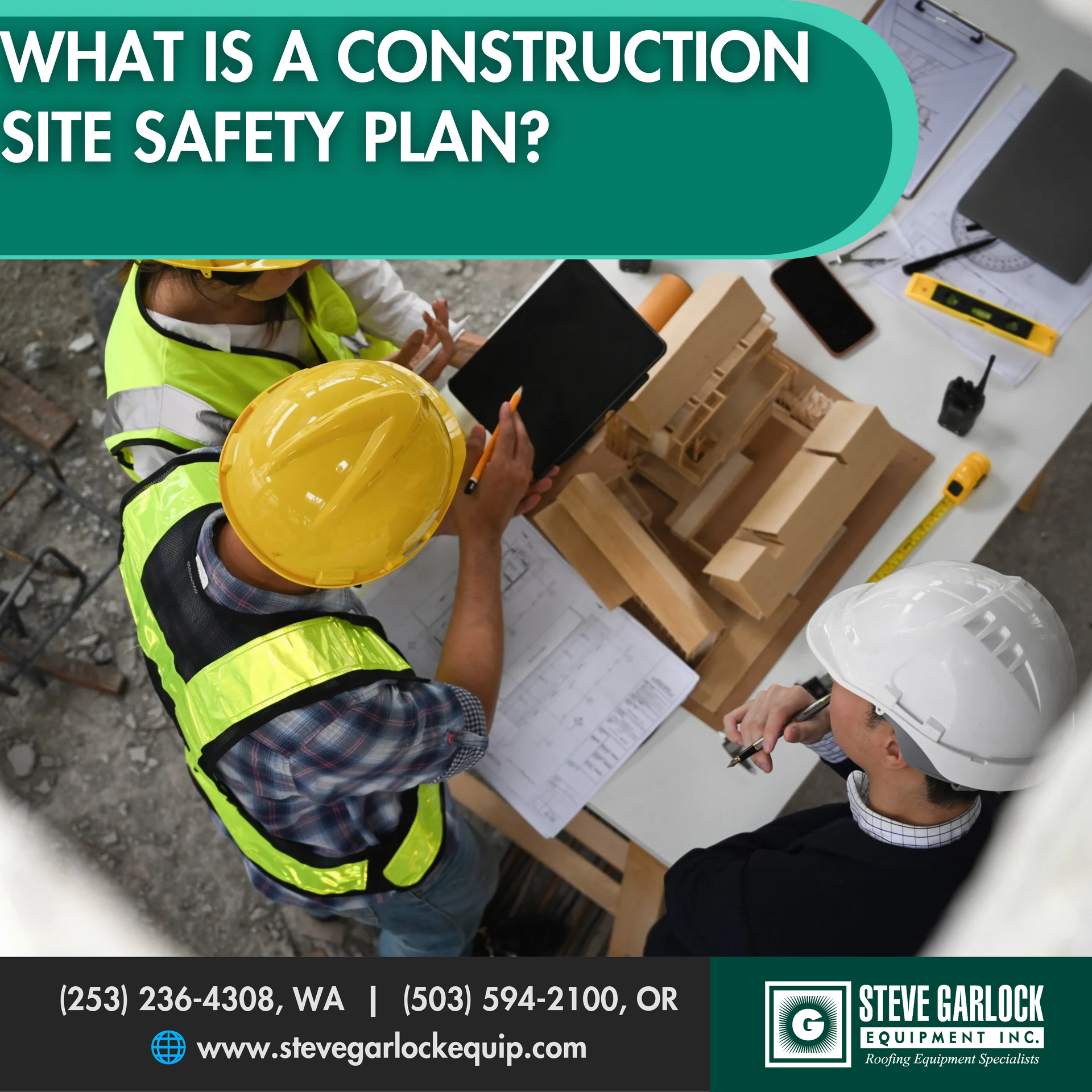
A safe construction project does not happen by accident. It begins with a clear plan, careful preparation, and a commitment to protecting everyone who steps onto the site. If you are wondering what is a construction site safety plan, it is essentially a written roadmap that identifies potential dangers and explains how those risks will be controlled throughout a project.
From small improvements to commercial construction work, safety planning helps contractors, employees, and equipment operators understand their responsibilities before work begins. A well-developed plan can also support smoother operations, reduce disruptions, and create a more organized workplace. For companies that depend on reliable equipment and practical solutions, Steve Garlock understands how preparation supports safer, more productive projects.
What Is a Construction Site Safety Plan?
A construction site safety plan is a structured document that outlines the safety procedures, responsibilities, and precautions needed for a particular construction site. Rather than relying on general safety rules, the plan considers each project's unique conditions.
For example, a construction site may involve elevated work, electrical systems, moving equipment, demolition activities, confined spaces, or changing weather conditions. Each hazard requires appropriate attention.
A good safety plan typically explains how workers should identify hazards, use equipment properly, respond to emergencies, and report unsafe conditions. It can also establish procedures for regular safety inspections and communication between contractors and employees.
Steve Garlock recognizes that construction projects can vary significantly, which makes project-specific planning especially valuable.
Why Safety Planning Matters Before Construction Begins
Effective safety planning starts before the first tool is picked up. Taking time to review the site and anticipate potential problems gives everyone a clearer understanding of what to expect.
Without proper preparation, hazards can be overlooked or addressed only after an incident occurs. A thoughtful plan instead encourages teams to identify concerns early and establish practical solutions.
Safety planning can help reduce the likelihood of injury while supporting better coordination among contractors working on the same project. It may also help minimize delays caused by accidents, damaged equipment, or unexpected site problems.
For Steve Garlock, preparation is an important part of helping customers approach equipment needs with greater confidence.
Key Elements of a Construction Safety Plan
While every project requires a customized approach, most effective safety plans address several fundamental areas. These elements provide a useful framework for organizing site safety from start to finish.
A practical safety program may include:
- Identification of workplace hazards and appropriate controls
- Employee training and clearly assigned responsibilities
- Proper equipment operation and inspection procedures
- Emergency response instructions and communication methods
- Personal protective equipment requirements
- Procedures for reporting injuries, incidents, and unsafe conditions
- Regular site inspections and updates to the safety plan
Including these components makes it easier for everyone involved to understand the safety guidelines that apply to the project.
Identifying Hazards Through Hazard Analysis
One of the most important parts of construction safety is understanding what could go wrong. A hazard analysis examines the tasks, materials, equipment, and conditions present on a site to identify potential risks.
For example, workers may face hazards related to falls, unstable surfaces, electrical systems, machinery, falling materials, or vehicle movement. Demolition work may introduce additional risks because existing structures can behave unpredictably.
Hazard analysis should not be treated as a one-time activity. As construction progresses, site conditions can change. New contractors may arrive, equipment may be relocated, and different work phases may introduce new hazards.
Steve Garlock supports thoughtful equipment use as part of a broader approach to maintaining an organized and responsible work environment.
How a Safety Checklist Supports Daily Work
A safety checklist provides a simple way to turn a written safety plan into practical daily actions. Instead of assuming that everything is ready, workers can verify important conditions before beginning a task.
A checklist may cover equipment condition, work areas, access routes, protective gear, emergency supplies, and other project-specific requirements. It can also help during safety inspections when supervisors need a consistent way to review the site.
The checklist should remain practical and not become an unnecessarily complicated document. When workers can easily understand and follow it, the checklist becomes a useful part of everyday site safety.
Regular reviews also help identify recurring issues that may require additional training or adjustments to the safety program.
Equipment, Contractors, and Employees Protection
Construction equipment can improve efficiency, but it must be selected, operated, and maintained responsibly. Workers should understand the equipment they are using and follow appropriate operating procedures.
Contractors also play an important role in maintaining safety. When several teams work together, communication becomes essential. Everyone needs to understand which areas are active, what hazards are present, and how responsibilities are divided.
Employees should have access to appropriate training and protection based on their tasks. Clear communication can prevent misunderstandings and help teams respond quickly when conditions change.
For equipment rental needs, Steve Garlock provides practical solutions that help customers get the equipment they need for their projects while keeping job requirements in mind.
The Connection Between Safety and Project Costs
Safety is not simply about avoiding injury. It can also influence the overall costs and efficiency of a construction project.
An accident may result in medical expenses, equipment damage, work interruptions, administrative challenges, and potential insurance concerns. Even a minor incident can affect schedules and productivity.
Investing time in safety planning can help reduce preventable problems and keep work moving more efficiently. Proper equipment selection, routine inspections, and worker awareness can all contribute to better project management.
Although no safety plan can eliminate every possible risk, a well-prepared approach can make hazards easier to recognize and manage.
Keeping the Safety Plan Updated
A safety plan should evolve as the construction project changes. A document created at the beginning of a project may not address every situation that develops later.
Supervisors and contractors should review the plan when the site, equipment, workforce, work methods, or project phase changes significantly. Lessons from inspections and reported incidents can also help improve future procedures.
Regular updates demonstrate that safety is an ongoing responsibility rather than a formality completed at the beginning of construction.
Steve Garlock understands that construction needs can change throughout a project, which is why flexibility and practical planning remain important when preparing for equipment-related tasks.
Building a Safer Construction Site With the Right Approach
Understanding what a construction site safety plan is is only the first step. The real value comes from putting that knowledge into practice through hazard awareness, clear communication, regular inspections, and responsible equipment use.
A strong construction safety approach gives workers a reliable framework for identifying risks and responding to changing conditions. It also encourages contractors to take safety seriously throughout every stage of a project.
Whether you are preparing for a small job or a larger commercial project, thoughtful planning can make the work environment more organized and predictable. From the initial hazard analysis to the final safety inspection, every step contributes to better protection.
When equipment needs are part of your project preparation, Steve Garlock is ready to help you find practical rental solutions suited to your work requirements.
Plan Smarter and Work With Confidence
Every successful project starts with more than a schedule and a budget. It starts with preparation. Steve Garlock can help you approach your equipment rental needs with dependable service and practical solutions, so you can focus on completing your project efficiently.
Make safety part of the plan from day one, choose equipment carefully, and give your team the foundation they need to work with confidence.