How to Inspect a Construction Site for Safety?
How to Inspect a Construction Site for Safety? | A Complete Guide
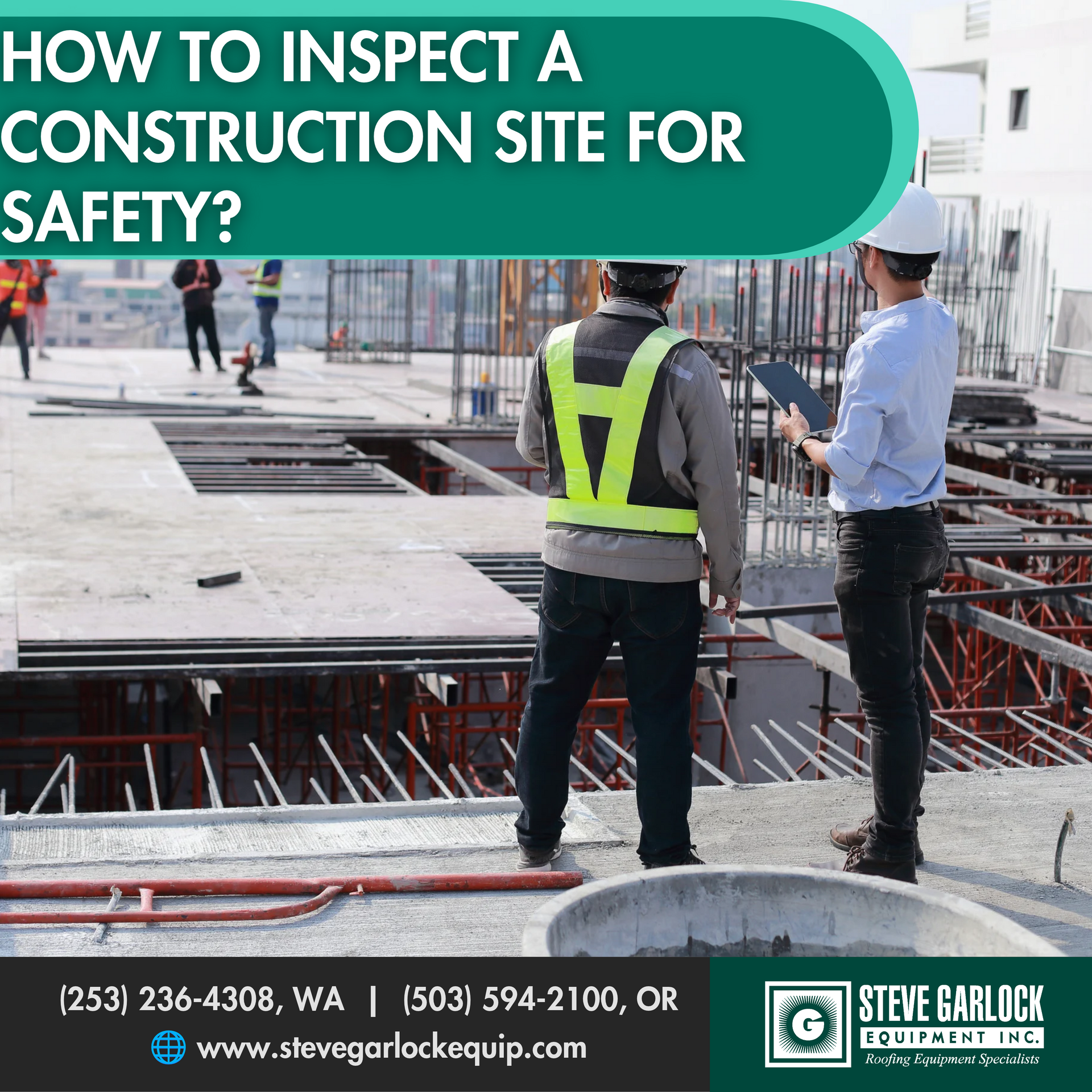
A safe construction project starts with a careful look at what could go wrong before it becomes a serious problem. Every active job site contains changing conditions, moving equipment, unfinished structures, tools, materials, and workers performing different tasks at the same time. Learning how to inspect a construction site for safety helps identify hazards early and keeps the work area organized and protected.
A proper inspection is more than simply walking around a site and looking for obvious problems. It involves understanding the condition of the building or structure, reviewing work practices, checking equipment, and confirming that established safety protocols are being followed. Whether the project involves a residential condo, commercial building, or industrial facility, consistent safety inspections can support better construction safety.
For businesses that depend on reliable equipment and practical job-site solutions, Steve Garlock understands how important preparation and responsible work practices are. A well-managed site allows crews to focus on completing their work efficiently while reducing unnecessary safety concerns.
Why Construction Site Safety Inspections Matter
Construction environments can change significantly from one day to the next. A clear work area in the morning may become crowded with materials, equipment, tools, and workers by afternoon. Because conditions are constantly changing, one inspection is rarely enough for an entire project.
Regular safety inspections provide an opportunity to identify hazards before they lead to injuries, property damage, or project delays. They can also help supervisors confirm that workers understand the expectations established for the site.
Safety inspections are particularly valuable when new equipment arrives, a new phase of construction begins, weather conditions change, or the layout of the site is modified. Steve Garlock supports the importance of preparation and dependable equipment solutions that can help crews approach their projects with greater confidence.
How to Inspect a Construction Site for Safety
Knowing how to inspect a construction site for safety begins with having a consistent process. Instead of making a quick visual check, walk through the entire site methodically.
Look at entrances, pathways, storage areas, work zones, equipment locations, and areas where workers are performing tasks.
Start from the perimeter and gradually move toward the active work areas. Pay attention to anything that appears damaged, unstable, obstructed, poorly maintained, or incorrectly positioned. Do not focus only on major hazards. Small issues, such as loose materials or blocked walkways, can also create serious risks.
During the inspection, speak with workers when appropriate. They may notice problems that are not immediately visible to someone conducting a brief walkthrough. Combining observations from supervisors and workers can create a more complete picture of site safety.
Key Checks for the Work Area
A strong inspection covers more than tools and machinery. The overall condition of the work area can influence how safely people move and perform their duties.
Check whether walkways are clear and whether materials are stored in suitable locations. Look for trip hazards, unstable stacks, exposed openings, poor lighting, and areas where workers may have difficulty moving safely. Pay attention to entrances and exits as well as emergency access routes.
Equipment should also receive careful attention. Inspect machines for visible damage, unusual conditions, or signs that maintenance may be needed. Verify that equipment is being used for its intended purpose and that workers understand the appropriate operating procedures.
Other important checks include:
- Access points and walkways are clear.
- Tools and equipment appear to be in suitable working condition.
- Materials are stored securely.
- Emergency routes are accessible.
- Required protective equipment is available and being used.
- Warning signs and barriers are positioned appropriately.
- Potential fall, electrical, fire, and struck-by hazards are addressed.
These key checks should be documented when possible. Written records make it easier to track recurring problems and confirm that corrective action has been completed.
Reviewing Safety Compliance on a Construction Site
Safety compliance means more than having rules written down. The rules must be understood, communicated, and followed during actual construction work.
During a site inspection, compare current practices with applicable workplace requirements, project procedures, and established safety standards. Check whether workers are following required procedures and whether safety equipment is being used correctly.
Documentation can also play an important role. Training records, equipment checks, previous inspection reports, and corrective-action notes can help demonstrate whether the project is maintaining appropriate safety practices.
Steve Garlock recognizes that dependable work begins with responsible preparation. Having suitable equipment available and maintaining an organized approach can contribute to smoother operations and help crews follow established safety expectations.
Building Better Safety Management
Effective safety management is an ongoing responsibility rather than a single task. A construction company should establish a system for identifying hazards, assigning responsibility, documenting findings, and correcting problems.
One useful approach is to categorize findings according to their level of concern. Issues requiring immediate attention should be addressed before work continues in the affected area. Less urgent concerns should still be recorded and assigned to the appropriate person for correction.
A good management system also reviews previous inspection results. If the same problem appears repeatedly, the issue may require more than a quick correction. It could indicate a need for additional training, improved procedures, better equipment organization, or a change in the way work is performed.
This approach transforms an inspection from a simple checklist into a practical part of construction management.
Following Effective Safety Protocols
Every construction site should have clear safety protocols that workers can understand and follow. These protocols may address equipment operation, personal protective equipment, emergency procedures, material handling, access control, and other site-specific concerns.
An inspection should determine whether workers are actually following these procedures. For example, a safety plan may require certain protective equipment, but the inspection should verify that workers can access it and use it properly.
Site conditions should also be considered when reviewing protocols. A procedure that works well in one building or industrial environment may need adjustments for another project. Construction teams should remain alert to changing circumstances rather than assuming yesterday's conditions still exist today.
For equipment-dependent projects, Steve Garlock provides practical rental solutions that can help contractors access equipment suited to their work requirements. Choosing the right equipment is an important part of maintaining an organized, productive job site.
Conducting a Practical Risk Assessment
A risk assessment helps inspectors determine which hazards deserve the most immediate attention. Rather than treating every finding exactly the same, consider the likelihood of an incident and the potential consequences.
For example, a minor housekeeping issue may need correction, but an exposed electrical hazard or unsafe access point could present a much greater immediate risk. Prioritizing findings helps management direct time and resources where they are most needed.
Consider the people who may be affected by each hazard, including workers, supervisors, visitors, subcontractors, and others who may enter the site. The type of construction work being performed should also influence the assessment.
After identifying a risk, determine how it can be eliminated or reduced. Controls may include changing the work process, improving site organization, adding protective measures, providing appropriate equipment, or stopping an unsafe activity until the issue is resolved.
Documenting Site Inspection Results
A site inspection becomes much more useful when its findings are properly recorded. Documentation creates a reference point that supervisors can use to determine what was discovered, what action was taken, and whether the problem was resolved.
Inspection records may include the date, location, people involved, observed conditions, corrective measures, and follow-up requirements. Photos can also be helpful when documenting specific areas, provided they are used appropriately within the company's inspection process.
Digital tools and an inspection app may make documentation easier for larger construction operations. However, technology should support the inspection rather than replace careful observation. The most valuable information still comes from understanding the actual conditions present on the site.
Steve Garlock believes that dependable project support involves more than providing equipment. Good preparation, responsible work practices, and attention to job-site requirements can all contribute to more efficient construction operations.
Making Safety Inspections Part of Every Project
The best safety programs treat inspections as a routine part of construction rather than an occasional activity. Before work begins, supervisors can establish inspection schedules based on the project's size, complexity, and level of risk.
Additional inspections may be appropriate after significant weather events, equipment changes, accidents, near misses, or major changes in the construction phase. Regular reviews can help identify trends before they develop into larger problems.
Training is equally important. Workers should know what hazards to watch for and how to report concerns. When employees feel comfortable communicating potential problems, management has a better opportunity to address them early.
A strong safety culture develops when everyone understands that safety is part of the job, not an extra responsibility. Whether work is being performed on a small residential project or a large industrial site, consistent inspections can help create better habits.
Build a Safer, More Efficient Construction Site
Understanding how to inspect a construction site for safety gives contractors and supervisors a practical way to recognize hazards, improve organization, and support safer work. From checking equipment and access routes to reviewing safety compliance and documenting findings, each step contributes to better construction safety.
A successful inspection does not simply identify what is wrong. It helps teams understand why the problem matters and what can be done to prevent it from happening again. When inspections, risk assessment, safety protocols, and management work together, construction teams can create a more controlled and productive environment.
Steve Garlock is committed to helping contractors access practical equipment rental solutions for their projects. When the right equipment is combined with careful planning and responsible site practices, crews can approach their work with greater confidence.
Choose Reliable Support for Your Next Project
A safer project begins with preparation, awareness, and the right resources. When you need dependable equipment for your construction work, turn to Steve Garlock for practical rental solutions designed to support demanding job-site needs. Contact Steve Garlock today to discuss your equipment requirements and take the next step toward a more efficient project.