What Tools Do Roofing Contractors Use?
What Tools Do Roofing Contractors Use? To Complete Roofing Projects Safely and Efficiently
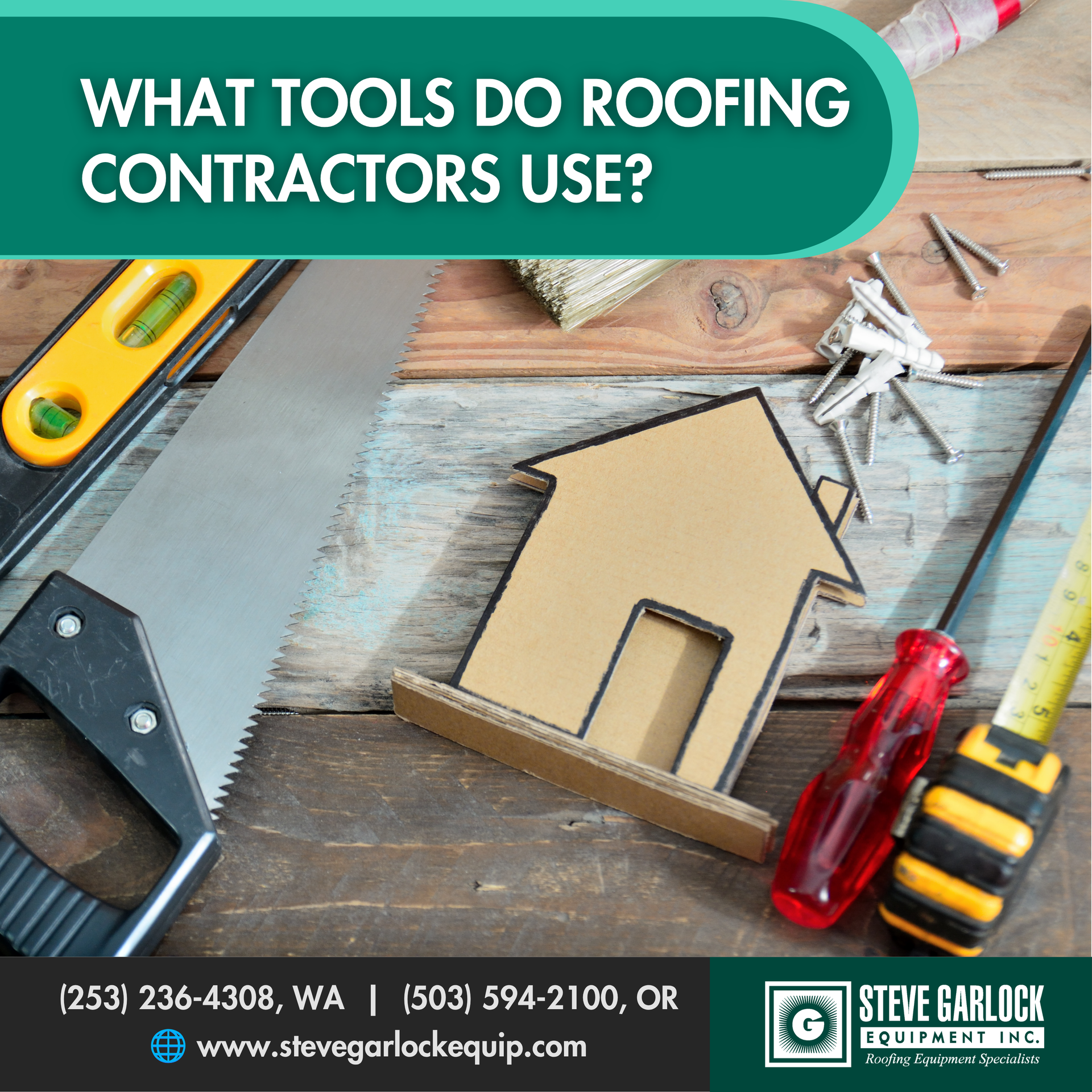
A successful roofing project is built on more than skill and experience. Behind every durable, professionally installed roof is a collection of specialized tools and equipment that help contractors work accurately, efficiently, and safely. From removing old shingles to securing new roofing materials, the right tools make a significant difference in the quality of the finished result.
If you have ever wondered what tools roofing contractors use to handle different roofing projects, understanding their equipment can give you a better idea of how professional roofers approach their work. Whether they are repairing a small leak, replacing an aging roof, or installing metal roofing, contractors depend on reliable tools to complete each step properly.
At Steve Garlock Equipment, we understand the importance of having dependable equipment available for demanding projects. Choosing the right tools helps contractors maintain productivity, protect their teams, and deliver quality results.
What Tools Do Roofing Contractors Use for Everyday Roofing Tasks?
Roofing contractors work with different materials and roof designs, so their tool collections include equipment for measuring, cutting, removing, and installing materials. Some tools are used on nearly every project, while others are selected according to the specific job requirements.
Basic hand tools remain essential even when contractors use advanced equipment. They help roofers complete detailed tasks that require precision and control.
Common tools used for everyday roofing work include:
- Roofing hammer: Used for driving nails and making small adjustments during installation.
- Tape measure: Helps contractors measure roof dimensions and determine material requirements.
- Utility knife: Used for cutting shingles, underlayment, and other roofing products.
- Chalk line: Creates straight reference lines for accurate material placement.
- Pry bar: Helps remove old materials and lift roofing components.
- Toolbelt: Keeps frequently used tools within easy reach while working.
Having these essential roofing tools organized and accessible saves time and helps contractors maintain a smoother workflow.
Roofing Safety Equipment That Protects Contractors
Working at heights introduces serious risks, making safety equipment one of the most important parts of any roofing project. Even experienced roofers need reliable protection because slippery surfaces, steep slopes, changing weather, and unexpected movements can create dangerous situations.
Professional contractors use several types of roofing safety equipment to reduce the possibility of falls and injuries.
Fall protection systems commonly include full-body harnesses, lifelines, roof anchors, and appropriate suspension equipment. These components work together to help secure workers while they move across elevated surfaces.
Other important protection items include safety helmets, protective eyewear, non-slip footwear, and durable gloves. Gloves help protect hands from sharp metal edges, rough shingles, nails, and other materials.
Steve Garlock Equipment recognizes that dependable equipment plays an important role in supporting safer jobsite operations. Contractors should inspect their protective gear before every project and make sure their equipment meets applicable safety requirements.
Safety should never become an afterthought. Proper training, equipment inspections, and fall protection planning are essential parts of responsible roofing work.
Roofing Shovels and Shingle Removers for Roof Preparation
Before installing new roofing materials, contractors often need to remove the existing roof covering. This preparation stage requires specialized tools that make material removal easier and help prevent unnecessary damage to the underlying roof structure.
A roofing shovel is commonly used to lift and remove old asphalt shingles. Many roofing shovels feature serrated edges that help separate shingles and roofing nails from the surface.
A shingle remover serves a similar purpose, allowing contractors to loosen stubborn roofing materials and clear sections of the roof more efficiently. Pry bars can also help remove difficult nails and materials around edges, flashing, and other detailed areas.
Removing old materials properly gives roofers an opportunity to inspect the roof deck for signs of moisture damage, deterioration, or structural concerns.
Using suitable tools during this stage can reduce unnecessary physical effort and help prepare a clean, stable surface for the next installation steps.
Roofing Nail Guns and Fastening Equipment for Installation
Securing roofing materials correctly is essential for long-lasting performance. Roofing nail guns help contractors install shingles more quickly than traditional hand-nailing methods, particularly on larger residential roofing projects.
A pneumatic nail gun uses compressed air to drive roofing nails into the appropriate surface. Contractors must select the correct nail length, placement, and depth according to the roofing manufacturer's installation requirements.
Roofing fasteners also vary depending on the materials being installed. Asphalt shingles, metal panels, underlayment, and other roofing products may require different fastening methods.
Important fastening equipment includes roofing nail guns, compatible compressors, nail strips, and specialized screws. When installing metal roofing, contractors often use corrosion-resistant fasteners with appropriate sealing washers to help prevent water intrusion.
A nail gun must be adjusted and handled carefully. Nails driven too deeply or placed incorrectly can compromise the material's ability to remain securely attached.
Steve Garlock Equipment understands that dependable tools and properly selected equipment help contractors maintain efficiency throughout demanding installation projects.
Roofing Blades, Caulk Guns, and Tools for Finishing Details
Not every roofing task requires large machinery or power equipment. Many important installation details depend on smaller tools that help contractors achieve a neat and weather-resistant finish.
A roofing blade is useful for cutting shingles, trimming roofing membranes, and shaping materials around roof edges. Sharp, appropriate blades help produce cleaner cuts and reduce material waste.
A caulk gun is another important tool used during finishing work. It allows roofers to apply roofing sealants around certain joints, flashing connections, penetrations, and other areas where compatible sealing products are required.
Other finishing tools include:
- Tin snips for cutting and shaping certain metal roofing components.
- Roofing knives for detailed material adjustments.
- Hand seamers for working with compatible metal roofing panels.
- Measuring tools for checking alignment and spacing.
- Flashing tools for shaping and adjusting metal components.
These smaller tools roofing professionals use can have a major impact on the final appearance and performance of the completed roof.
However, sealants should never replace proper flashing or correct installation techniques. Contractors must follow product instructions to achieve dependable results.
Roof Ladders, Compressors, and Other Essential Equipment
Roofing projects involve more than the tools workers carry in their tool belts. Contractors also depend on larger equipment to transport materials, access elevated work areas, and operate certain power tools.
Roof ladders provide a more stable working arrangement on compatible roof surfaces when properly installed and used. Extension ladders are also commonly used to access roofs, provided they are positioned and secured according to safety requirements.
Air compressors are particularly useful when contractors operate pneumatic roofing nail guns. They supply the compressed air needed to keep these tools functioning during installation.
Other equipment may include material hoists, roof jacks, scaffolding systems, and generators. Generators are especially useful when electrical power is unavailable or when contractors need to operate compatible equipment at remote job sites.
At Steve Garlock Equipment, we recognize how important dependable small equipment rentals and portable generators can be for contractors managing different project requirements. Having access to suitable equipment helps businesses avoid unnecessary delays and keep work moving.
How the Right Roofing Tools Improve Safety and Productivity
Choosing appropriate tools is not simply about completing work faster. The right equipment also helps contractors maintain consistency, reduce physical strain, and improve jobsite organization.
For example, using a properly adjusted roofing nail gun can make shingle installation more consistent. A suitable material removal tool can reduce unnecessary effort during tear-off work, while reliable measuring equipment helps prevent alignment mistakes.
Equipment maintenance is equally important. Damaged handles, worn blades, leaking air hoses, and faulty power tools can create unnecessary risks and interrupt project schedules.
Contractors should regularly inspect their tools, replace damaged components, and store equipment properly after each job. They should also select tools that are compatible with the materials and installation systems being used.
Steve Garlock Equipment understands that reliable equipment supports better project management. Contractors who plan their equipment needs ahead of time can avoid last-minute interruptions and focus more attention on workmanship.
Choosing the Right Roofing Equipment for Different Projects
Not every roofing project requires the same collection of tools. The equipment needed for a residential shingle replacement may be different from what contractors need for a large commercial roof or metal roofing installation.
Asphalt shingle projects typically require roofing shovels, nail guns, utility knives, measuring equipment, and fall protection systems. Metal roofing installations may require specialized cutting tools, seamers, drills, and compatible fasteners.
Commercial roofing projects can involve additional equipment for handling larger materials, working across expansive surfaces, and installing specialized roofing systems.
Before starting a project, contractors should consider the roof's size, slope, material type, accessibility, and overall condition. They should also determine which tools are available and whether additional equipment needs to be rented.
Steve Garlock Equipment supports contractors who need practical equipment solutions for their projects, with a focus on small equipment rentals and portable generators. Selecting dependable equipment helps roofing businesses prepare for different jobsite demands without investing in every piece of equipment they may occasionally need.
Why Reliable Tools Matter for Professional Roofing Results
Professional roofing depends on careful planning, experienced workers, and dependable equipment. Even the most skilled roofer can experience unnecessary difficulties when working with unsuitable or poorly maintained tools.
Quality equipment helps contractors complete installations with greater precision, maintain consistent working practices, and address unexpected challenges more effectively.
It also supports better organization. When workers have the right tools available, they can spend less time searching for equipment and more time focusing on important installation details.
For roofing businesses, investing in appropriate tools and maintaining them regularly can improve project efficiency over time. Renting specialized equipment when needed can also be a practical option for managing costs and meeting temporary project requirements.
Steve Garlock Equipment understands the value of reliable equipment in helping contractors keep their operations productive and organized. Having access to the right resources can make every stage of a roofing project easier to manage.
Get the Right Equipment to Keep Your Projects Moving
Every successful roofing project starts with proper preparation, and dependable tools are an important part of that process. From roofing nail guns and shingle removers to portable generators and essential jobsite equipment, having the right resources helps contractors work efficiently and responsibly.
When your next project calls for reliable small equipment or portable generator rentals, turn to Steve Garlock Equipment. The right equipment can make a challenging job easier and help you keep your project on track. Contact Steve Garlock Equipment today to learn more about available rental solutions and find the equipment your next project needs.