The Best Generator Rentals for Events: Essential Tips and Choices
Worried about power issues at your event? Generator rentals for events ensure reliable electricity so everything runs smoothly. From concerts to food stalls, this guide shows how renting generators can save the day.
Key Takeaways
- Generator rentals are essential for ensuring uninterrupted power at events like music festivals, art showcases, and theme parks, preventing disruptions.
- Choosing the right generator involves assessing power needs based on the devices used and understanding the differences between portable and stationary models.
- Renting from Steve Garlock Equipment ensures high-quality equipment and expert support, providing reliable power solutions for various event types.
Why Rent Generators for Your Event?
Imagine planning a grand outdoor event, only to have it disrupted by an unexpected power failure. Generator rentals ensure your event runs seamlessly by providing the necessary power for various amenities and preventing disruptions. Whether it’s a music festival, an art showcase, or a themed event at a park, renting generators guarantees a consistent power supply, crucial for the smooth execution of events.
Generators provide uninterrupted power, ensuring every aspect of the event goes as planned. From powering stages and lighting to keeping food vendors operational, they are the backbone of any successful outdoor event.
Let’s explore specific scenarios where generators are indispensable, highlighting their importance across diverse event settings.
Powering Music Festivals with Generators
Music festivals are a feast for the senses, with electrifying performances, vibrant lights, and tantalizing food stalls. However, none of this would be possible without reliable power generation. Generators supply power for stages, food stations, and lighting at music festivals, ensuring a successful event. They operate stages and keep food and beverage stations functional, providing a seamless experience for festival-goers.
Imagine a concert abruptly stopping due to a power outage. Generators prevent such scenarios by ensuring convenient uninterrupted entertainment, making them indispensable for festivals.
Generator rentals ensure reliable power for all essential services, from lights and sound systems to vendor booths and rest areas, significantly impacting festival success.
Reliable Power for Art Festivals
Art festivals depend on generator rentals to power essential equipment like lights and sound systems, enabling effective artist showcases. Without a reliable power source, the intricate lighting displays and clear sound that bring art to life would be impossible. Generators ensure that artists can present their work in the best possible light, quite literally.
These festivals depend on generator rentals to provide electricity for lighting and sound equipment, essential for artist presentations and overall event ambience. Renting generators ensures sufficient power for all necessary equipment, allowing artists to showcase their work effectively and creating a safe, well-lit environment for attendees.
Ensuring Electricity at Theme Parks
Theme parks are bustling hubs of activity, requiring significant electricity to operate their numerous attractions, lighting, and entertainment facilities. Generator rentals maintain a consistent power supply to the various rides and attractions, ensuring that visitors have a seamless and enjoyable experience.
Concerts and special events held in theme parks also rely heavily on generator rentals to provide power for sound systems and lighting. In emergencies, generators enable theme parks to operate safely and efficiently, maintaining essential services and preventing disruptions.
Supporting Race Track Events
Race track events are thrilling spectacles that require a reliable power supply to ensure everything runs smoothly. Generator rentals support essential amenities like timing systems, concession stands, and lighting at race track events. Properly sized generators power sound systems and lighting necessary for both day and night races, enhancing the overall experience for spectators and participants.
Generator rentals help maintain uninterrupted racing events and enhance the overall experience, ensuring that all activities proceed smoothly. From the roar of the engines to the buzz of the crowd, generators play a pivotal role in supporting the energy and excitement of race track events.
Generator Rentals for Campsites
Camping enthusiasts know that a touch of modern convenience can make the outdoor experience even more enjoyable. Generator rentals provide campers with a reliable power source for lights, heating, and charging devices, significantly enhancing their outdoor experience. With a generator, campers can enjoy the warmth of heaters, the illumination of lights, and the convenience of keeping their devices charged.
At campsites, generator rentals provide essential power for lighting and charging devices, improving camping comfort and making the trip more enjoyable. A generator allows campers to enjoy basic comforts like warmth from heating, illumination from lights, and the convenience of charging devices, making their outdoor adventure more pleasant and memorable.
Rodeos and Remote Locations
Rodeos and events in remote locations often face the challenge of limited access to traditional power sources. Generators supply power for lighting and sound systems necessary for rodeos in remote areas. Rentals facilitate the operation of these events, ensuring all necessary equipment is powered.
Renting generators enables rodeos in remote areas by supplying necessary power, ensuring the success and smooth operation of these events. Overall, renting generators is crucial for ensuring the success and smooth operation of rodeo events in remote locations, making them possible and enjoyable.
Choosing the Right Generator for Your Event
Selecting the right generator involves evaluating power needs, event size, and the types of equipment that will be powered. Effective event planning with generator rentals includes assessing power needs, ensuring generator placement, and coordinating logistics for a seamless operation. Understanding your event’s specific power requirements is crucial to choosing the right generator size and type.
Identifying power requirements early in the planning process ensures the right generator is selected for the event. Different events have unique power requirements, and accurately assessing these needs is the first step toward seamless celebrations.
Let’s break down the process of assessing power requirements and explore the types of generators available.
Assessing Power Requirements
Start by listing all devices that need power and noting their wattage, including any additional wattage required for starting up certain equipment. Calculating the total wattage required by all devices helps determine the appropriate generator size for the event. Choose a generator capable of handling inrush currents, as the total wattage of appliances can exceed the running wattage during start-up.
Be sure to identify which devices will run simultaneously to accurately calculate total running and starting watt requirements. Assessing the venue’s terrain and accessibility is crucial for determining the optimal placement of generators to ensure effective power distribution.
Whether it’s powering sound systems and lighting at music festivals or providing electricity for campers in remote locations, different events have unique power needs. Assessing your event’s power requirements based on various elements like equipment, lighting, and heating needs is vital for seamless celebrations. Accurate power assessment ensures that all aspects of the event are adequately powered, preventing any disruptions.
Types of Generators Available
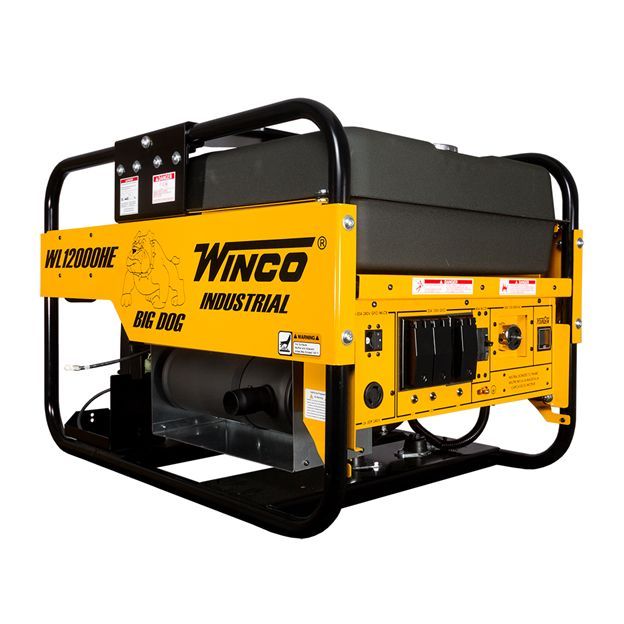
Generators fall mainly into portable and stationary types, each suitable for different event scales and power needs. Portable generators are ideal for smaller events or situations requiring mobility, while stationary generators suit larger events needing significant power.
Understanding the differences between these models helps in choosing the right generator for your event.
Additional Equipment and Accessories
Optimizing generator placement requires considering factors such as accessibility and proximity to power distribution points. In addition to generators, Steve Garlock Equipment offers rentals for cords and power distribution boxes, also known as spider boxes, ensuring a comprehensive power solution to connect your event.
Benefits of Renting from Steve Garlock Equipment
Renting from Steve Garlock Equipment offers convenience and flexibility, ensuring access to high-quality generators for various events. Specializing in generator rentals, offering reliable and well-maintained equipment to meet your event’s power needs. Choosing Steve Garlock Equipment provides access to dependable delivery services and expert support.
Timely and efficient delivery services are essential for ensuring that generators arrive when needed. Steve Garlock Equipment offers quick delivery services across a wide area, ensuring timely access to rental generators. This enhances convenience for clients planning events in the region, making Steve Garlock Equipment a reliable partner for your power needs.
Extensive Service Area & High Quality Equipment
Steve Garlock Equipment offers delivery services along the entire Interstate 5 corridor, ensuring access from Portland to Everett. Steve Garlock Equipment’s extensive service area enhances convenience for clients planning events in the region. Located in Portland, Oregon, they can deliver professional equipment locally and also ship to MT, WY, CO, AZ, & westward, including Alaska and Hawaii!
This extensive service area ensures that regardless of where your event is located within this region, you can rely on Steve Garlock Equipment to provide the necessary power solutions. Their ability to service a wide area makes them an ideal choice for event planners seeking reliable generator rentals.
Our high-quality equipment powers events efficiently and effectively. Renting from Steve Garlock Equipment guarantees access to top-notch generators and accessories for seamless celebrations. Reliable generators ensure a consistent power supply, preventing disruptions and contributing to the success of any event.
Expert Assistance and Support
Expert assistance and support from Steve Garlock Equipment ensure your event’s power needs are met. Their generators are sourced from trusted manufacturers, guaranteeing reliability and performance. This reliability is crucial for preventing any disruptions during your event.
The generators and accessories from Steve Garlock Equipment are routinely maintained, ensuring reliability and performance for customers. Their expert team is always available to assist with questions or issues, ensuring your event has the power it needs to succeed.
Frequently Asked Questions
Why are generators crucial for outdoor events?
Generators are crucial for outdoor events as they provide a reliable power supply, preventing disruptions and ensuring a smooth execution of activities.
How do I assess my event's power needs?
To assess your event's power needs, list all devices that require electricity, noting their wattage, and then calculate the total power requirements to ensure adequate supply. This ensures that all equipment operates efficiently without power shortages.
What types of generators are available for rent?
Generators available for rent typically include portable and stationary types, catering to various power needs and event sizes. Choose the type that best fits your specific requirements.
What additional equipment might I need with a generator rental?
You may need power cords and distribution boxes to effectively distribute power from the generator. Ensuring you have this additional equipment will optimize your generator rental experience.
How can I contact Steve Garlock Equipment for a rental?
To rent equipment from Steve Garlock Equipment, you can call them at 503-594-2100 or visit their location at 13483 SE Johnson Rd, Portland, OR 97222.
Located in Portland Oregon, we can deliver professional equipment to cities off of I-5 from Portland to Everett.
We also ship MT, WY, CO, AZ, & westward. This includes Alaska and Hawaii!