Can I Buy a Gas Generator in California? Understanding the New Generator Regulations for 2028
Learn how California’s 2028 zero-emission standards for portable generators, including RVs, will impact you. Steve Garlock Equipment helps you stay compliant.
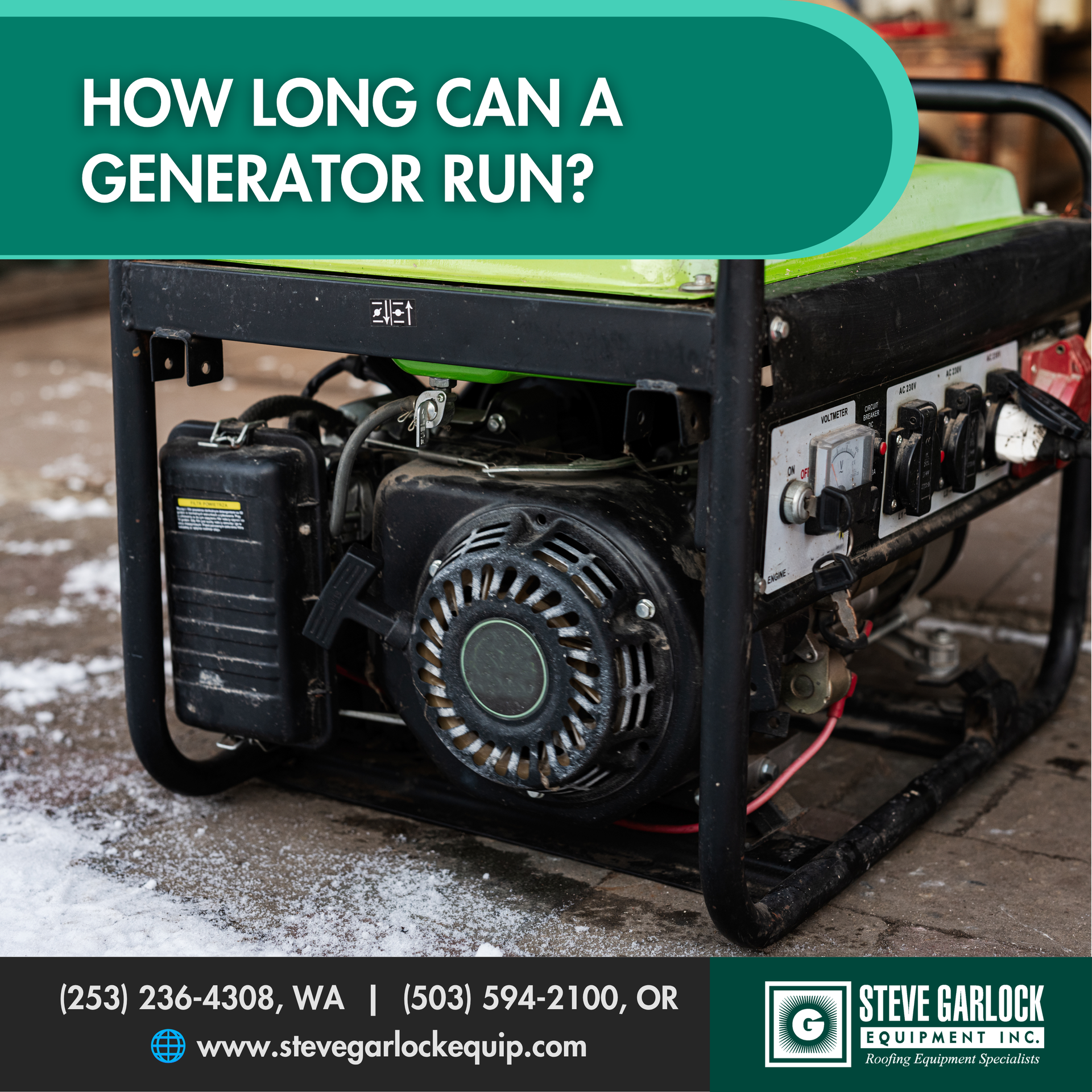
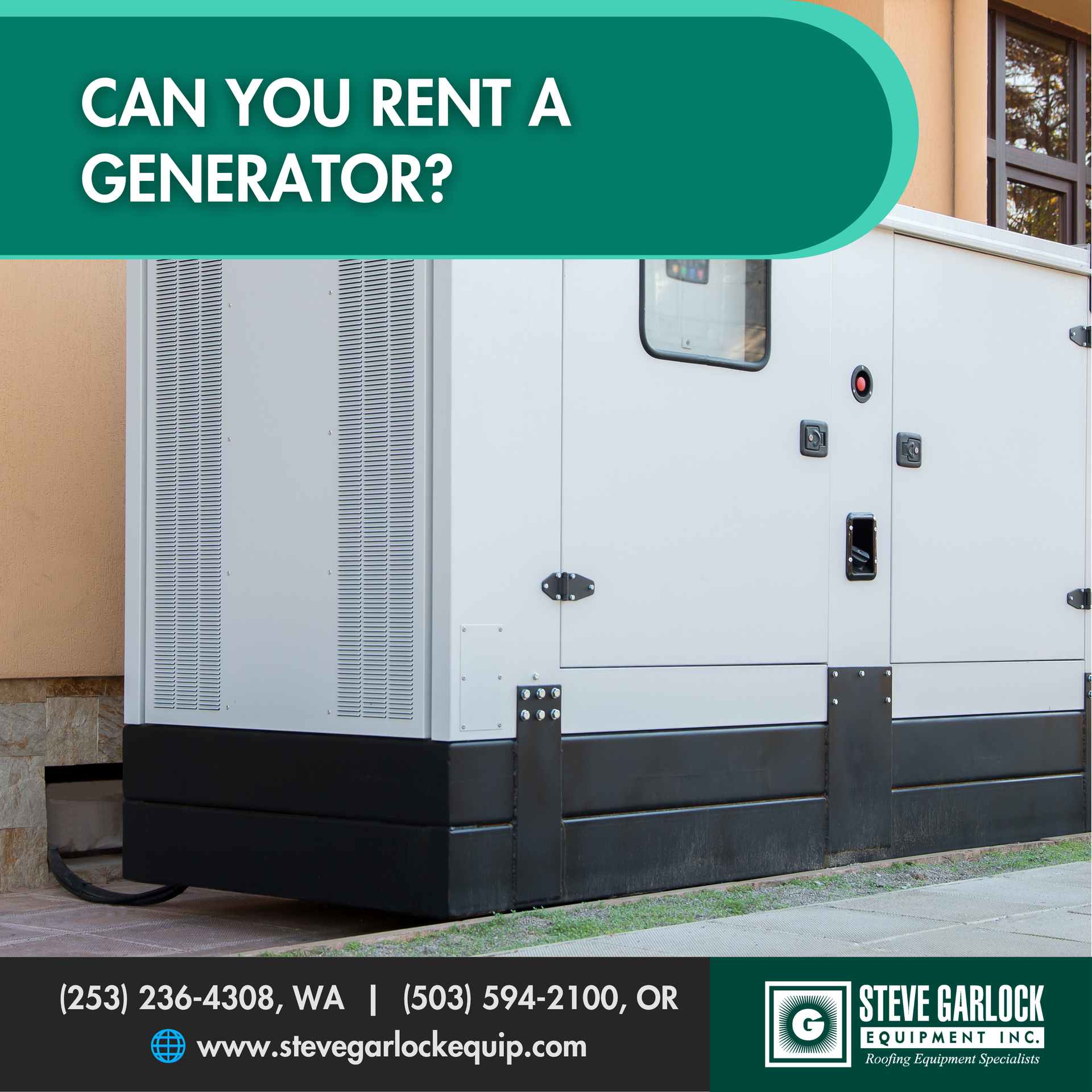
As California continues to lead the nation in environmental regulations, significant changes are coming to the world of portable generators, particularly those found in recreational vehicles (RVs). The California Air Resources Board (CARB) has set ambitious goals to reduce emissions from small off-road engines, and by 2028, portable generators, including those used in RVs, must meet zero-emission standards. This legislation aims to reduce carbon emissions by limiting the sale of small gas-powered engines, including generators. At Steve Garlock Equipment, we’re committed to keeping our customers informed and helping them navigate these upcoming changes. In this blog, we’ll explore what these new regulations mean, how they will impact generator use, and what you can do to stay compliant.
Understanding the New Regulations: Zero-Emission Standards by 2028
CARB has implemented a phased approach to reducing emissions from small off-road engines, which include portable generators and gas powered engines. These engines are a significant source of air pollution, contributing to harmful emissions like carbon monoxide and carbon dioxide. Here’s what you need to know about the upcoming regulations:
Phase One: Stricter Standards by 2024
- Stricter Emission Standards: By 2024, all new portable generators sold in California, including those in RVs, will be required to meet more stringent emission standards. While these standards are not as strict as the zero-emission requirement, they represent a significant step toward reducing the environmental impact of gas-powered generators. These stricter standards will also affect gas powered lawnmowers, pushing the industry towards cleaner, battery-powered alternatives.
Phase Two: Zero-Emission Requirement by 2028
- Zero-Emission Generators: Starting in 2028, all new portable generators, including those found in RVs, must meet zero-emission standards. This means that traditional gas-powered generators will no longer be sold within the state. Instead, consumers will need to purchase generators that run on alternative power sources, such as electricity or solar energy. Electric lawn equipment is another example of the types of alternatives that consumers will need to consider, as it offers reduced emissions and lower maintenance requirements.
Impact on Portable Generators
The California generator ban will significantly impact the portable generator industry. As of 2028, all newly manufactured portable generators sold in California must meet zero-emission standards. This means that gas-powered generators, which are currently the most common type of portable generator, will no longer be allowed for sale in the state. Instead, manufacturers will need to develop and market alternative power sources, such as battery-powered or electric generators, that meet the new emissions standards.
The impact on portable generators will be felt across various industries, including construction, agriculture, and recreation. Many businesses and individuals rely on portable generators to provide power for their operations, and the ban will require them to adapt to new technologies and power sources. However, the transition to cleaner and more sustainable power sources is expected to have long-term benefits for the environment and public health.
Can I Still Use My Existing Generator?
One of the most common questions surrounding these new regulations is whether current generator owners can continue to use their existing equipment. The answer is yes—CARB's new rules do not ban the possession or operation of gas-powered generators that were purchased before the regulations take effect.
What This Means for You:
- Existing Generators Remain Legal: If you already own a gas-powered portable generator, you can continue to use it legally in California, even after the 2028 zero-emission mandate goes into effect. The ban applies only to the sale of new generators that do not meet the zero-emission standards.
- Out-of-State Purchases: California residents can still travel to neighboring states like Arizona, Oregon, or Nevada to purchase a gas-powered generator and bring it back home for use. However, it’s important to note that while these generators can still be used, they will not be sold in California after 2028. The new regulations will also affect the sale and use of lawn equipment, encouraging consumers to consider cleaner, electric options for their gardening and home maintenance needs.
The Importance of California Air Resources Board (CARB) Compliance
CARB compliance means that your equipment meets the emission standards set by the California Air Resources Board. CARB-compliant generators produce fewer harmful emissions, toxins, and particulates, resulting in cleaner and safer air quality. Leaf blowers, for example, significantly contribute to air pollution, and California's legislative actions aim to ban gas-powered small off-road engines due to their environmental impact. This underscores the importance of transitioning to cleaner alternatives and adhering to CARB compliance.
Here’s why CARB compliance is important:
1. Reducing Harmful Emissions:
- Carbon Monoxide and Carbon Dioxide: Traditional gas-powered generators emit carbon monoxide (CO) and carbon dioxide (CO2), both of which contribute to air pollution and climate change. Carbon monoxide is particularly dangerous as it is a colorless, odorless gas that can be lethal in high concentrations. CARB-compliant generators are designed to minimize these emissions, making them safer for both the environment and human health.
2. Compliance with State Regulations:
- Avoiding Fines and Penalties: As California moves toward stricter emission standards, using non-compliant equipment could eventually result in fines or other penalties. By choosing
CARB-compliant generators, you ensure that your equipment meets all current and future regulations, protecting you from potential legal issues.
3. Supporting Cleaner Air:
- Environmental Responsibility: By using CARB-compliant equipment, you contribute to California's efforts to reduce air pollution and improve public health. Cleaner air benefits everyone, and using lower-emission generators is one way to make a positive impact.
Health and Sustainability Benefits
The California generator ban is expected to have significant health and sustainability benefits. Gas-powered generators are a major source of air pollution, emitting harmful pollutants such as particulate matter, nitrogen oxides, and carbon monoxide. These pollutants can exacerbate respiratory problems, such as asthma, and contribute to climate change.
By transitioning to zero-emission portable generators, California can reduce its greenhouse gas emissions and improve air quality. This will have significant health benefits for residents, particularly those living in urban areas with high levels of air pollution. Additionally, the ban will promote the development and adoption of cleaner and more sustainable power sources, such as solar power and battery power, which will help to reduce the state’s reliance on fossil fuels.
Preparing for the Future: Alternative Power Options
As 2028 approaches, consumers and businesses alike will need to consider alternative power options that meet the zero-emission standards. Here are some of the alternatives you might consider:
1. Battery Power Electric Generators:
- Battery-Powered Solutions: Electric generators are powered by rechargeable batteries, offering a zero-emission alternative to gas-powered models. While current electric generators may have limitations in terms of power output and runtime, ongoing advancements in battery technology are likely to make these generators more viable for a wide range of uses.
2. Solar-Powered Generators:
- Harnessing Renewable Energy:
Solar-powered generators use energy from the sun to generate electricity. These systems often include solar panels and battery storage, making them ideal for off-grid applications or RV use. While initial costs may be higher, the long-term benefits of using renewable energy make solar generators an attractive option.
3. Hybrid Systems:
- Combining Solar and Battery Power: Some manufacturers are developing hybrid generator systems that combine solar power with battery storage. These systems provide reliable, zero-emission power and can be particularly useful in areas with abundant sunlight. They offer the flexibility of solar power with the reliability of stored energy.
Implementation and Transition
The implementation of the California generator ban will be phased in over several years. As of 2024, manufacturers will be required to meet new emissions standards for small off-road engines, including those used in portable generators. By 2028, all newly manufactured portable generators sold in California must meet zero-emission standards.
To facilitate the transition, the California Air Resources Board (CARB) will provide guidance and support to manufacturers and consumers. This will include information on the new emissions standards, as well as resources and incentives to help businesses and individuals adapt to the new regulations.
Consumers who currently own gas-powered generators will not be required to replace them, but they will need to ensure that they are properly maintained and operated to minimize emissions. Additionally, consumers who purchase new portable generators after 2028 will need to ensure that they meet the new zero-emission standards.
Overall, the California generator ban is an important step towards reducing air pollution and promoting sustainable energy sources. While the transition may present challenges for some industries and individuals, the long-term benefits for the environment and public health make it a necessary and worthwhile effort.
How Steve Garlock Equipment Can Help
At Steve Garlock Equipment, we understand that these changes may seem daunting, especially for those who rely on portable generators for recreational or emergency use. Our goal is to help you navigate these new regulations and find the best solutions for your needs.
Our Commitment:
- Expert Advice: Our team stays informed about the latest CARB regulations and industry trends. We're here to answer your questions and help you understand what these changes mean for your equipment.
- Wide Selection of Products: As the market shifts toward zero-emission generators, we will continue to offer a variety of options, including electric and solar-powered models. We're committed to providing high-quality, compliant equipment that meets your needs.
- Ongoing Support: We know that switching to new technology can be challenging. That's why we offer ongoing support, from helping you choose the right generator to providing maintenance and repair services. Our goal is to ensure that you have reliable, compliant power whenever you need it.
Adapting to California’s Generator Regulations
The new CARB regulations mark a significant shift in California's approach to reducing emissions from portable generators. While these changes may require some adjustments, they also present an opportunity to explore new, cleaner technologies that can provide reliable power without harming the environment.
At
Steve Garlock Equipment, we're here to help you adapt to these changes and find the best generator for your needs. Whether you're looking for information on the latest regulations, need advice on your existing equipment, or are considering a new purchase, we're here to support you every step of the way.
Located in Portland Oregon, we can deliver professional equipment to cities off of I-5 from Portland to Everett.
We also ship MT, WY, CO, AZ, & westward (INCLUDING CALIFORNIA). Yes, even Alaska and Hawaii!