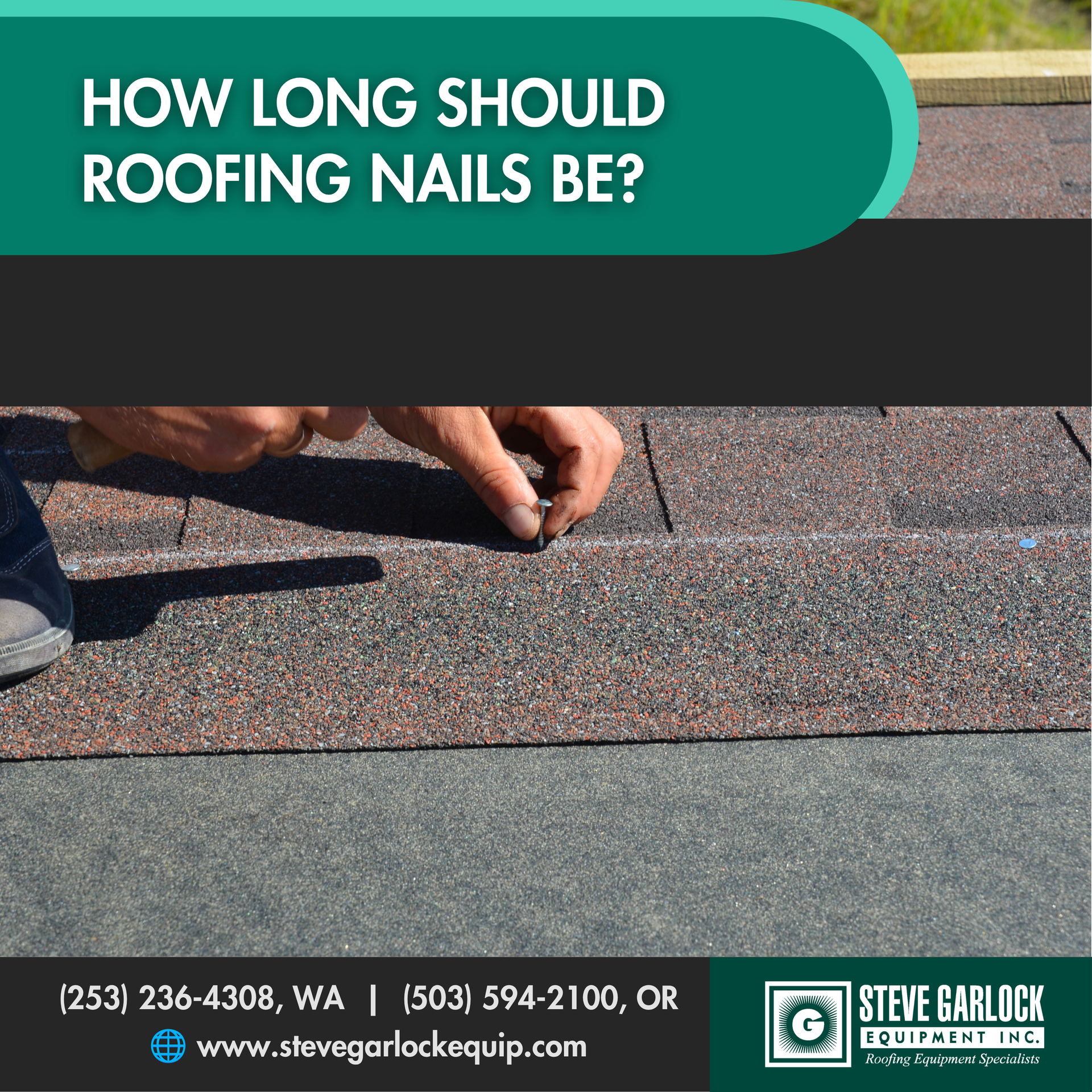
How Long Should Roofing Nails Be?
New Title
When homeowners think about a new roof, they usually focus on shingles, colors, or styles. However, one of the most important parts of any roofing system is something much smaller. The right roofing nails play a critical role in keeping every shingle securely attached through heavy rain, wind, and changing weather conditions. Choosing the wrong size can shorten your roof's lifespan and even lead to costly repairs.
If you’ve ever wondered How long roofing nails should be, you're not alone. The answer depends on several factors, including the type of roofing material, the thickness of the roof deck, and local building codes. Understanding these details helps ensure a safer and longer-lasting installation.
At Steve Garlock, we believe informed homeowners make better decisions. This guide explains everything you need to know about selecting the proper nail length, avoiding common mistakes, and understanding why the right fastener matters for every roofing project.
How Long Should Roofing Nails Be for Different Roofing Projects?
The question of how long roofing nails should be does not have a single answer because every roofing project is different. A roofing nail should be long enough to pass through the roofing material and securely penetrate the roof deck.
For most residential projects using asphalt shingles, professionals typically use one- to two-inch-long fasteners depending on the roofing assembly. The goal is to provide enough grip without using an unnecessarily oversized fastener.
The correct nail should penetrate completely through the roof sheathing or extend at least three-quarters of an inch into solid wood decking. This recommendation is commonly found in installation instructions provided by roofing manufacturers and helps create a secure attachment that withstands weather and normal building movement.
At Steve Garlock, every roofing recommendation starts with understanding the structure beneath the roof before selecting the proper fasteners.
Why Roofing Nail Length Matters More Than You Think
Many homeowners assume all roof nails perform the same job. In reality, selecting the wrong nail length can lead to serious performance issues.
If the fastener is too short, the shingles may loosen over time, especially during strong winds. If it is too long for the application, it can create unnecessary protrusions beneath the decking or complicate certain roofing systems.
The proper roofing nails improve:
- Better resistance to wind uplift
- Stronger attachment of roofing shingles
- Longer lifespan of the complete roof
- Improved compliance with building code requirements
- Better overall protection against moisture intrusion
Every experienced contractor understands that the right fastener is just as important as selecting quality roofing materials.
Choosing Roofing Nails Based on Roofing Materials
Not every roofing material requires the same fastener. Different materials have unique thicknesses and installation requirements.
For example, asphalt shingles are among the most common residential products and generally work well with standard galvanized roofing nails. However, thicker laminated products or specialty systems may require longer fasteners.
Metal roofing, wood shakes, synthetic products, and certain commercial roofing systems often require different fastening methods based on the manufacturer's recommendations.
Professional installers always review the official installation instructions before beginning work. Following those directions ensures compatibility between the roofing system and the selected fasteners.
At Steve Garlock, every roofing project is planned around the specific roofing system rather than using a one-size-fits-all approach.
Roofing Shingles, Shank Nails, and Proper Installation
A quality roofing system depends on more than simply driving a nail through a shingle. The design of the fastener also affects performance.
Most experts recommend shank nails designed specifically for roofing applications. Their textured or ringed shank improves holding power compared to smooth alternatives.
The cap of the fastener also matters. A roofing nail features a wide cap that distributes pressure evenly across the shingle, reducing the risk of tearing or pull-through during high winds.
Proper installation includes driving each fastener flush with the surface. Nails that are overdriven may damage the asphalt shingles, while underdriven fasteners can lift the roofing surface and create opportunities for water infiltration.
These seemingly small details make a significant difference in the long-term durability of your roof.
Building Codes and Manufacturer Recommendations
One of the most overlooked aspects of roofing installation is compliance with building codes.
Local regulations establish minimum fastening requirements designed to improve safety and structural integrity. These rules often specify penetration depth, fastener spacing, and approved products for different climate conditions.
In addition to meeting local regulations, installers should follow recommendations from roofing manufacturers. Ignoring these guidelines may affect warranty coverage and reduce overall roof performance.
The best roofing projects satisfy both:
- Local building code requirements
- The manufacturer specifications
At Steve Garlock, our team understands that proper installation means adhering to proven standards rather than taking shortcuts.
Common Roofing Nail Mistakes Homeowners Should Avoid
Even quality roofing materials cannot compensate for poor fastening practices.
Some of the most common installation mistakes include using the wrong nail length, selecting incorrect fasteners, or failing to follow recommended fastening patterns.
Other issues include placing nails outside the designated nailing zone or driving them at an angle instead of straight.
These mistakes may result in:
- Loose roofing shingles
- Reduced wind resistance
- Water penetration beneath the roofing system
- Premature roof repairs
- Shortened roof lifespan
Professional roofers know that nails must be installed consistently throughout the entire project. Precision matters from the first shingle to the last.
How Professional Contractors Select the Proper Roofing Nail
Experienced roofing professionals never guess when choosing fasteners.
Instead, they evaluate several important factors before beginning installation.
They consider:
- The type of roofing material
- Thickness of the roof decking
- Local climate conditions
- Wind exposure
- Applicable building codes
- Recommendations from roofing manufacturers
- Overall building design
This process helps determine which roofing nail to use for maximum performance and durability.
A skilled contractor also verifies that the selected fasteners match the specific roofing system being installed rather than relying on assumptions.
That attention to detail helps protect the investment homeowners make in their home.
Why Proper Roofing Nails Protect Your Home for Years
A roof is one of the largest investments any homeowner makes. While shingles often receive the most attention, the fasteners holding everything together deserve equal consideration.
Using the proper roofing nails helps maintain structural integrity over years of exposure to changing weather conditions. Correct installation reduces the likelihood of lifted shingles, leaks, and expensive repairs.
Whether you’re replacing an aging roof or planning new construction, selecting the correct nail length, using approved roof nails, and following professional installation practices all contribute to a stronger roofing system.
At Steve Garlock, we understand that quality craftsmanship begins with the smallest details. Every component, from the first nail to the final shingle, works together to create reliable protection for your home.
Build a Roof That Lasts with Steve Garlock
Every dependable roof starts with smart decisions, and choosing the right roofing nail is one of them. If you’re still asking How long roofing nails should be, let the experienced team at Steve Garlock help you find the right solution for your project. We are committed to using quality materials, following proven installation practices, and delivering workmanship you can trust. Contact Steve Garlock today to ensure your next roofing project delivers lasting performance and peace of mind.