Essential Roof Safety Gear for Local Roofing Professionals

Jen Woslager • October 21, 2024

Based in Portland, Oregon, Steve Garlock Equipment offers advanced roof safety tools like LifePoint anchors to enhance safety and efficiency for roofers across the Western U.S.


Located in Portland, Oregon, Steve Garlock Equipment is dedicated to enhancing safety and efficiency on roofing projects across the Western U.S. Our comprehensive range of roof safety equipment, including cutting-edge mobile anchors like the LifePoint Standard, LifePoint Deluxe, and the Badger, ensures optimal safety for both professional roofers and DIY enthusiasts.

The Importance of Proper Roof Safety Equipment

Roofing is an inherently risky profession that involves working at heights, often under varied and unpredictable weather conditions. This environment makes strict adherence to safety standards essential to prevent falls, injuries, and other workplace accidents. Quality safety equipment not only meets compliance requirements but also protects the lives of roofers, ensuring that they can work confidently and securely.

Mobile Anchors: A Necessity for Flexible Fall Protection

Our featured mobile anchors—LifePoint Standard, LifePoint Deluxe, and the Badger—are crucial for providing reliable fall protection, particularly in situations where permanent anchor points are not feasible.


The Badger

The Badger is one of the industry's lightest 4-person mobile tie-off points, weighing just 625 lbs. Its rugged design provides exceptional stability and security, suitable for both flat and low-slope roofs. With adjustable legs, it ensures solid anchorage, making it ideal for heavy-duty tasks that require superior resistance to environmental factors like wind uplift.


LifePoint Deluxe

Enhancing the features of the Standard, the Deluxe model includes integrated handles and wheels for better mobility across job sites. It also sports a more robust locking mechanism, providing additional security for workers operating in more demanding conditions. This model is perfect for extensive projects where workers need the flexibility to move frequently while maintaining safety standards.


Cobra Cart

The Cobra Cart is engineered to enhance safety and efficiency on construction and roofing sites. It supports tie-offs for up to three workers in fall arrest and two in fall restraint, significantly improving fall protection. If a fall occurs, its integrated claw mechanism securely anchors into the surface, preventing any worker from falling further. With its robust features, the Cobra Cart is indispensable for ensuring top-tier safety and operational effectiveness on any job site.

Why These Products Are Essential to Roofing Companies

For roofing companies, the safety of their crew is paramount. Utilizing mobile anchors like those offered by Steve Garlock Equipment can significantly reduce the risk of fall-related accidents, which are among the most common and severe incidents in the roofing industry. These products allow companies to uphold safety standards mandated by OSHA, thereby avoiding costly fines and legal issues while protecting their workforce.


Moreover, these safety solutions provide roofing companies with the flexibility to undertake a wider range of projects. With mobile anchors, roofers can safely work on buildings where traditional fall protection systems are impractical or impossible to install. This capability can open up new business opportunities and allow roofing companies to service a broader array of clients.
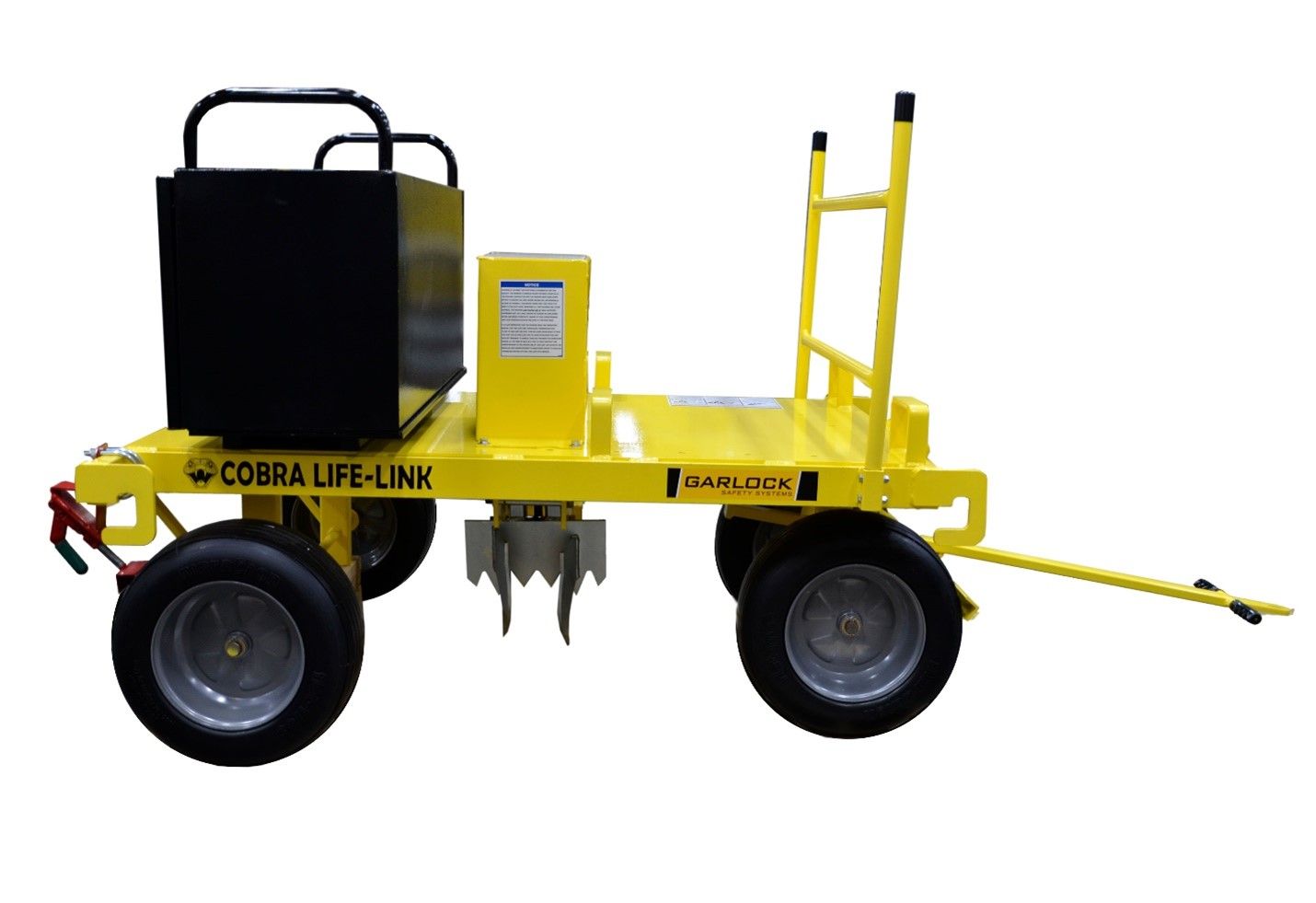
A yellow cart with a black box on top of it.

Comprehensive Roof Safety Solutions

At Steve Garlock Equipment, we offer more than just safety products; we provide comprehensive solutions that include:


  • Roofing Tools and Equipment: From shingle cutters to hot air welders, we equip professionals with everything needed to complete roofing jobs safely and efficiently.
  • Equipment Rentals: We provide a wide range of roof safety equipment for rent, perfect for short-term needs or for those looking to try before they buy.
  • Expert Advice: Our team is available to recommend the best equipment for your specific needs and demonstrate safe usage practices.

Serving a Broad Region

Our services and products are available throughout Washington, Oregon, California, Arizona, Nevada, Utah, Idaho, Western Montana, and Western Wyoming. No matter where you are in these regions, you can rely on Steve Garlock Equipment for all your roofing safety needs.


Safety is non-negotiable in roofing. With the right equipment, like the mobile anchors provided by Steve Garlock Equipment, roofing companies can not only meet safety regulations but also enhance their operational capabilities. Contact us today for more information about our products and services or to discuss your safety equipment needs.
How to Prepare Land for Construction
By Mitch Koch March 9, 2026
Learn how to prepare land for construction in WA and OR. Costs, permits, equipment tips, and step by step guide.
How to Estimate Construction Costs
By Mitch Koch March 3, 2026
Learn how to estimate construction costs in WA & OR with equipment, labor and pricing guidance.
By Mitch Koch February 6, 2026
Understanding What Equipment Is Used on a Construction Site Understanding what equipment is used on a construction site is critical for completing projects safely, on time, and within budget. From early site preparation to final finishing work, construction equipment supports every phase of the job. Using the right machines improves productivity, reduces labor strain, and ensures compliance with safety standards. In Washington and across the Pacific Northwest, construction sites face unique challenges such as varying soil conditions, weather changes, and strict regulatory requirements. Choosing the correct equipment helps contractors adapt to these conditions while maintaining efficiency and protecting workers. Whether the project is residential, commercial, or infrastructure based, equipment selection plays a major role in overall project success. What Equipment Is Used on a Construction Site in Washington and the Pacific Northwest Construction projects in Washington, Oregon, and surrounding states require a wide range of specialized machinery. Climate, terrain, and project scope all influence what equipment is used on a construction site in this region. Why Construction Projects Require Different Types of Equipment Different phases of construction demand different tools and machines. Each category of equipment serves a specific function on the job site. Site preparation: Land clearing, grading, and excavation require heavy earthmoving equipment to prepare a stable foundation Material handling: Transporting materials safely across the site depends on forklifts, cranes, and conveyors Structural work: Lifting steel, concrete, and framing materials requires precise and powerful lifting equipment Finishing and maintenance: Smaller tools and compact machines help complete detailed work and ongoing site upkeep Types of Construction Equipment Used on a Construction Site Earthmoving Equipment Used on a Construction Site Earthmoving machines are essential for shaping the land and preparing it for construction. Excavators Excavators are versatile machines used for digging trenches, foundations, and holes. They are also used for demolition, grading, and lifting heavy materials. Their rotating cab and long arm allow precise operation in tight spaces. Bulldozers Bulldozers are powerful machines designed for pushing large quantities of soil, rock, or debris. They are commonly used for clearing land, leveling surfaces, and moving heavy materials during early project stages. Backhoe Loaders Backhoe loaders combine digging and loading capabilities in one machine. They are ideal for smaller construction sites and utility work where flexibility is needed. Skid Steer Loaders Skid steer loaders are compact and highly maneuverable. They are commonly used for grading, debris removal, and material transport on confined job sites. Motor Graders Motor graders are used to create smooth, level surfaces. They are especially important in road construction and large scale grading projects. Material Handling Equipment Used on a Construction Site Material handling equipment helps move supplies efficiently and safely across the job site. Forklifts Forklifts are used to lift and transport pallets of materials such as lumber, bricks, and steel. They are essential for warehouse style storage and on site logistics. Telehandlers Telehandlers combine the lifting ability of forklifts with extended reach. They are ideal for placing materials at elevated heights and over obstacles. Cranes Cranes are used to lift and position heavy materials that cannot be moved manually. They are critical for multi story construction and large structural components. Conveyors Conveyors move bulk materials such as concrete, gravel, and debris efficiently across the site, reducing manual labor and increasing productivity. Construction Vehicles Used on a Construction Site Construction vehicles support transportation and logistics. Dump Trucks Dump trucks are used to haul soil, gravel, and debris to and from the site. They are essential for excavation and demolition projects. Concrete Mixer Trucks Concrete mixer trucks transport freshly mixed concrete to the site, ensuring consistent quality and timely placement. Flatbed Trucks Flatbed trucks are used to transport oversized equipment, building materials, and machinery to construction sites. Lifting and Hoisting Equipment Used on a Construction Site Lifting equipment ensures heavy loads are moved safely and accurately. Tower Cranes Tower cranes are commonly used on large commercial and high rise projects. They provide exceptional height and lifting capacity. Mobile Cranes Mobile cranes offer flexibility and mobility. They are suitable for short term lifting tasks and projects that require frequent repositioning. Hoists Hoists are used to lift materials vertically, especially in enclosed or confined spaces where cranes are not practical. Concrete and Road Construction Equipment Used on a Construction Site These machines are essential for infrastructure and paving projects. Concrete Mixers Concrete mixers blend cement, aggregate, and water to produce consistent concrete for foundations and structural elements. Concrete Pumps Concrete pumps transport concrete to hard to reach areas, improving efficiency and placement accuracy. Asphalt Pavers Asphalt pavers lay smooth asphalt surfaces for roads, parking lots, and driveways. Compactors and Rollers Compactors and rollers compress soil, gravel, and asphalt to create stable and durable surfaces. Power Tools and Small Equipment Used on a Construction Site Smaller tools support daily tasks and finishing work. Generators Generators provide reliable power when electrical connections are unavailable. Air Compressors Air compressors power pneumatic tools such as nail guns and impact wrenches. Jackhammers Jackhammers break up concrete, asphalt, and rock during demolition and renovation work. Plate Compactors Plate compactors are used for compacting soil and asphalt in smaller areas. What Equipment Is Used on a Construction Site for Different Project Types Residential Construction Equipment Residential projects typically use excavators, skid steer loaders, concrete mixers, and small power tools to complete foundations, framing, and finishing work. Commercial Construction Equipment Commercial sites require cranes, telehandlers, forklifts, and larger earthmoving machines to handle heavier materials and larger structures. Industrial Construction Equipment Industrial projects often involve specialized lifting equipment, heavy duty excavators, and large scale material handling systems. Civil and Infrastructure Construction Equipment Roads, bridges, and public works projects rely on graders, asphalt pavers, rollers, and high capacity dump trucks. How to Choose the Right Equipment for a Construction Site Selecting the right equipment is critical for safety and efficiency. Factors That Affect Equipment Selection Project size: Larger projects require higher capacity machines and more specialized equipment Site conditions: Soil type, slope, and available space influence equipment choice Timeline: Tight schedules may require more efficient or automated equipment Safety requirements: Equipment must meet safety standards and be appropriate for the work environment Common Mistakes When Selecting Construction Equipment Choosing equipment that is too small or underpowered Ignoring site access limitations Overlooking operator training requirements Failing to plan for maintenance and downtime What Are the Signs You Need Specialized Equipment on a Construction Site Limited site access that restricts standard machinery Heavy material loads requiring high capacity lifting Tight deadlines that demand faster production Safety compliance issues requiring certified equipment How Much Does Construction Equipment Cost in Washington Equipment Purchase Costs Purchasing construction equipment involves significant upfront investment, often ranging from tens of thousands to several hundred thousand dollars depending on the machine. Equipment Rental Costs Rental options provide flexibility and lower upfront costs. Pricing depends on equipment type, rental duration, and delivery distance. Factors That Affect Pricing in Washington and the Western States Equipment size and capacity Rental duration Transportation distance Maintenance and support services Why Choose Professional Construction Equipment Services Benefits of Working With an Experienced Equipment Provider Professional providers help match the right equipment to each project, reducing downtime and improving efficiency. Safety, Compliance, and Efficiency Advantages Working with experienced providers ensures equipment meets safety standards and operates reliably throughout the project lifecycle. Serving Construction Projects Across Washington and Beyond Our Equipment Delivery Coverage Steve Garlock Equipment delivers professional construction equipment from Portland Oregon to cities along I 5 from Portland to Everett. Service areas include major Washington construction hubs as well as Oregon locations. We also ship equipment to Montana, Wyoming, Colorado, Arizona, and westward, including Alaska and Hawaii. This wide coverage supports contractors working across multiple states and remote locations. Why Choose Steve Garlock Equipment Reliable Equipment All equipment is professionally maintained and ready for demanding job site conditions. Wide Selection for All Construction Needs From earthmoving machines to material handling equipment, a broad inventory supports projects of all sizes. Regional and Multi State Delivery Capabilities Efficient logistics ensure equipment arrives on time, wherever the project is located. Frequently Asked Questions About What Equipment Is Used on a Construction Site What equipment is used on a construction site most often Commonly used equipment includes excavators, forklifts, dump trucks, skid steer loaders, and concrete mixers. What equipment is required for small construction projects Small projects typically require compact excavators, skid steer loaders, generators, and basic power tools. What equipment is used on a construction site for heavy construction Heavy construction relies on cranes, bulldozers, motor graders, large excavators, and high capacity trucks. Can construction equipment be delivered across state lines Yes. Equipment can be delivered across state lines, including remote and multi state project locations. Contact Steve Garlock Equipment Choosing the right partner for construction equipment makes a measurable difference in project outcomes. Steve Garlock Equipment supports contractors with reliable machinery, professional service, and dependable delivery. Our team understands the demands of construction projects across Washington and the Western United States. From equipment selection to logistics coordination, we focus on safety, efficiency, and long term value. Contact Steve Garlock Equipment today to discuss equipment needs and service coverage across Washington, Oregon, and beyond.
See More Posts