How to Prepare Land for Construction?
How to Prepare Land for Construction in Washington and Oregon: A Complete Step by Step Guide
Preparing a property for building is one of the most important stages of any project. If you are wondering how to prepare land for construction, the process involves much more than clearing trees and leveling soil. Proper site preparation ensures safety, stability, and long term durability for homes, commercial buildings, and industrial facilities across Washington and Oregon.
Skipping steps like drainage, grading, and soil testing can lead to foundation cracks, standing water, erosion problems, and expensive rework. In the Pacific Northwest, heavy rainfall, clay rich soils, frost depth requirements, and strict environmental regulations make professional site preparation even more critical.
For contractors and builders along the I 5 corridor from Portland to Everett, Steve Garlock Equipment provides reliable, professional grade equipment delivery to support efficient land preparation. The company also ships equipment to Montana, Wyoming, Colorado, Arizona, Alaska, Hawaii, and western states, helping construction teams access what they need without delay.
How to Prepare Land for Construction in Washington’s Climate and Soil Conditions
Washington and Oregon present unique site challenges. Understanding these regional factors is essential before breaking ground.
Understanding Western Washington Rainfall and Drainage Challenges
Western Washington cities such as Olympia, Tacoma, Seattle, and Everett receive significant rainfall throughout the year. Poor drainage planning can quickly turn a site into a muddy, unstable surface.
Key considerations include:
- Installing proper slope away from the future foundation
- Planning stormwater management systems
- Preventing runoff from impacting neighboring properties
- Installing temporary erosion control measures
Without proper grading and drainage, even well built structures can suffer water intrusion or soil movement over time.
Soil Types in Washington and Oregon: Clay, Sandy, Rocky, and Loam
Soil conditions vary dramatically across the region:
- Clay soils hold water and expand when wet
- Sandy soils drain quickly but may lack stability
- Rocky terrain increases excavation time and cost
- Loam soils are ideal but still require compaction
In areas like Vancouver WA and Longview, heavy clay can require engineered fill and additional compaction to support structural loads.
Frost Depth and Seasonal Timing for Site Work
Eastern Washington and higher elevations in Oregon experience deeper frost penetration. Builders must:
- Excavate below frost depth
- Ensure proper foundation design
- Avoid late fall and winter grading when possible
Spring and summer are typically the best seasons to begin major site preparation, though experienced crews can work year round with proper planning.
Step by Step Process: How to Prepare Land for Construction Properly
Understanding the correct sequence is critical. Below is a detailed guide on how to prepare land for construction the right way.
1. Land Surveying and Property Boundary Verification
Before clearing begins, confirm:
- Exact property boundaries
- Easements and setback requirements
- Access points
Professional surveying prevents costly disputes with neighbors and ensures compliance with local zoning laws.
Utility location services must also identify underground gas, water, and electrical lines before excavation begins.
2. Soil Testing and Geotechnical Evaluation
Soil testing determines whether the land can safely support the planned structure.
Important evaluations include:
- Bearing capacity of the soil
- Compaction requirements
- Moisture content levels
- Need for engineered fill
If weak or expansive soil is present, geotechnical engineers may recommend soil replacement or stabilization.
3. Clearing and Grubbing the Site
Clearing removes vegetation, debris, and organic material.
This step includes:
- Tree removal
- Brush clearing
- Stump grinding
- Root extraction
Organic material must be removed to prevent future settling.
Erosion control measures such as silt fencing should be installed to meet environmental standards in Washington and Oregon.
4. Excavation and Rough Grading
Excavation reshapes the land to match site plans.
The process includes:
- Cut and fill operations
- Creating stable building pads
- Establishing slope for water runoff
Proper grading protects the structure and surrounding properties from drainage problems.
5. Utility Installation and Underground Infrastructure
Before final grading, underground systems are installed:
- Water lines
- Sewer or septic systems
- Electrical conduit
- Gas lines
This step must align with local building codes and inspection schedules.
6. Final Grading and Compaction
Final grading ensures:
- Smooth, level building pad
- Proper slope away from foundation
- Soil compacted to engineering specifications
Compaction testing confirms the site is stable and ready for foundation work.
How to Prepare Land for Construction in Portland to Everett: Equipment You Will Need
The right equipment makes all the difference in efficiency and safety.
Excavators for Digging and Trenching
Used for foundation excavation, trenching, and heavy digging tasks.
Bulldozers for Clearing and Rough Grading
Ideal for pushing soil, removing debris, and shaping large areas.
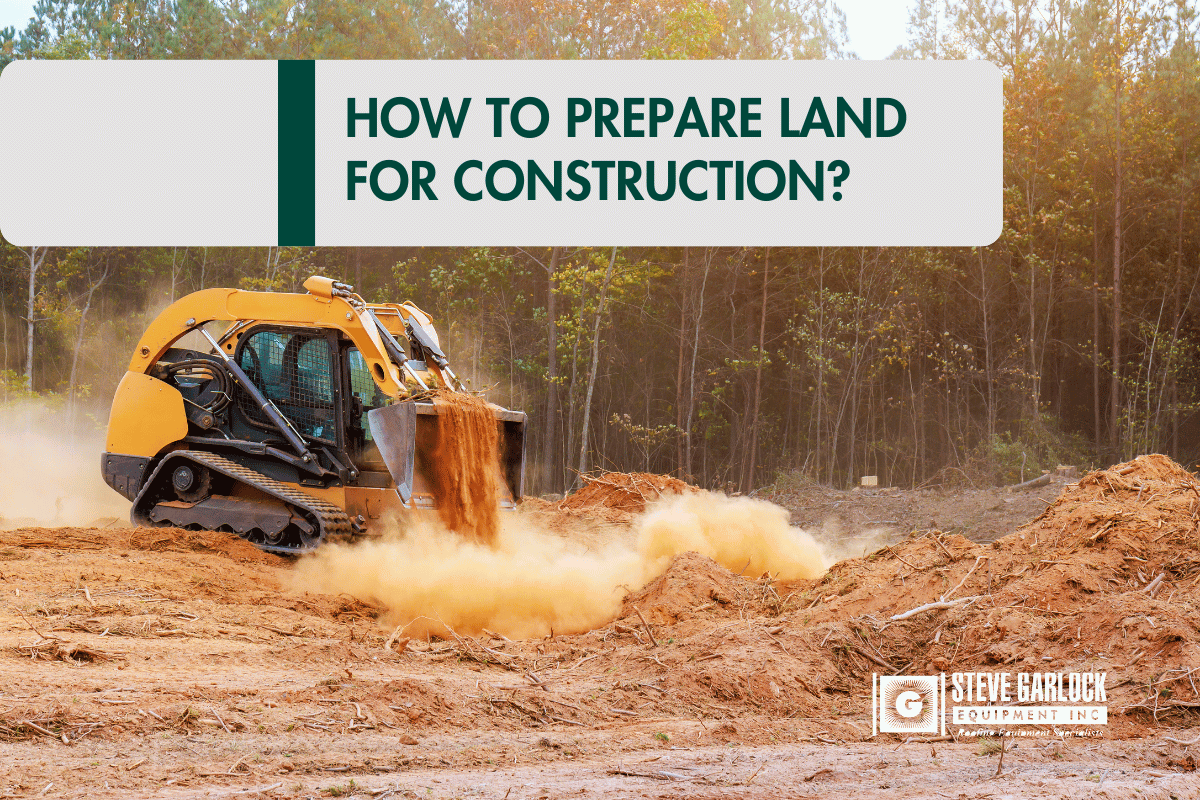
Skid Steers for Precision Site Work
Perfect for tight spaces and fine grading.
Compactors and Rollers for Soil Stability
Essential for meeting compaction standards.
Dump Trucks and Material Handling Equipment
Required for hauling debris and transporting fill material.
Sourcing the correct equipment reduces delays and improves productivity. Steve Garlock Equipment delivers professional grade machinery along the I 5 corridor from Portland to Everett and ships across multiple western states, including Alaska and Hawaii. Reliable delivery ensures your project stays on schedule.
What Permits Are Required to Prepare Land for Construction in Washington and Oregon?
Before beginning site work, contractors must secure necessary approvals.
Local Building and Grading Permits
Most cities including Seattle, Tacoma, and Olympia require grading permits.
Stormwater and Erosion Control Requirements
Stormwater management plans are often mandatory, especially in high rainfall zones.
Environmental and Wetland Restrictions
Properties near wetlands require special permits and environmental reviews.
Septic and Utility Approvals
Health departments review septic installations, and utilities must approve connections.
Checking city and county regulations before starting work prevents delays and penalties.
What Are the Signs Your Land Is Not Ready for Construction?
Recognizing warning signs early can save thousands of dollars.
Common indicators include:
- Standing water after rain
- Soft or unstable soil
- Visible erosion
- Large buried roots or debris
- Unverified property lines
If any of these are present, additional preparation is required before foundation work begins.
How Much Does It Cost to Prepare Land for Construction in Washington?
Costs vary based on site complexity.
Average Site Preparation Costs Per Acre
Project Type Estimated Cost Range Light Clearing and Grading $3,000 to $8,000 Moderate Site Prep $8,000 to $20,000 Complex or Sloped Sites $20,000 to $50,000+
These figures vary based on location and site conditions.
Factors That Increase Costs
- Steep slopes
- Poor soil quality
- High tree density
- Limited access
- Permit fees
Equipment Rental and Delivery Considerations
Transporting heavy equipment across long distances adds cost. Reliable regional delivery from Portland through Seattle and Everett can significantly reduce logistical challenges.
Why Professional Site Preparation Matters for Long Term Building Success
Proper land preparation:
- Prevents foundation cracks
- Reduces drainage problems
- Avoids structural settling
- Meets inspection standards
Cutting corners during site prep often leads to expensive repairs later.
Why Choose Professional Equipment Support from Steve Garlock Equipment?
Contractors across Washington rely on professional grade equipment and dependable logistics.
Steve Garlock Equipment offers:
- Reliable delivery along the I 5 corridor
- Multi state shipping including Montana, Wyoming, Colorado, Arizona, Alaska, and Hawaii
- Access to heavy equipment for projects of all sizes
- Support for contractors, builders, and developers
- On time delivery that keeps projects moving
Access to the right equipment at the right time directly impacts profitability.
Serving Washington and Oregon Contractors Along the I 5 Corridor
Steve Garlock Equipment proudly supports projects in:
• Portland
• Vancouver WA
• Longview
• Olympia
• Tacoma
• Seattle
• Everett
Whether you are preparing a residential lot in Olympia or a commercial site in Seattle, dependable equipment delivery ensures smooth operations.
Frequently Asked Questions About How to Prepare Land for Construction
How long does it take to prepare land for construction?
Smaller residential sites may take one to three weeks. Larger or complex projects can take several months depending on weather and soil conditions.
Can I prepare land for construction myself?
While small clearing projects may be manageable, major site preparation requires professional equipment, engineering evaluation, and permit compliance.
What happens if site preparation is done incorrectly?
Improper site work can cause foundation failure, drainage problems, and code violations. Repairs can cost significantly more than proper preparation.
When is the best time of year to start site preparation in Washington?
Late spring through early fall typically offers better weather conditions. However, experienced teams can operate year round with proper planning.
Contact Steve Garlock Equipment for Professional Site Preparation Support
When you need reliable support for how to prepare land for construction, having access to the right equipment is essential. Steve Garlock Equipment provides professional grade machinery and dependable delivery throughout Washington and Oregon.
Contractors choose Steve Garlock Equipment for efficiency, reliability, and wide regional coverage. Whether your project is in Tacoma, Seattle, Everett, or anywhere along the I 5 corridor, equipment can be delivered directly to your site.
If you are planning a new project and want to ensure proper land preparation from start to finish, contact Steve Garlock Equipment today. With service extending from Portland to Everett and shipping available across western states including Alaska and Hawaii, your next project can begin with confidence.
Proper planning, accurate grading, soil evaluation, and dependable equipment are the foundation of every successful build. Understanding how to prepare land for construction ensures safety, compliance, and long term structural performance. With the right strategy and equipment partner, your Washington or Oregon project can start strong and finish successfully.
Call: