How to Maintain Equipment on a Construction Site?
How to Maintain Equipment on a Construction Site in Washington?
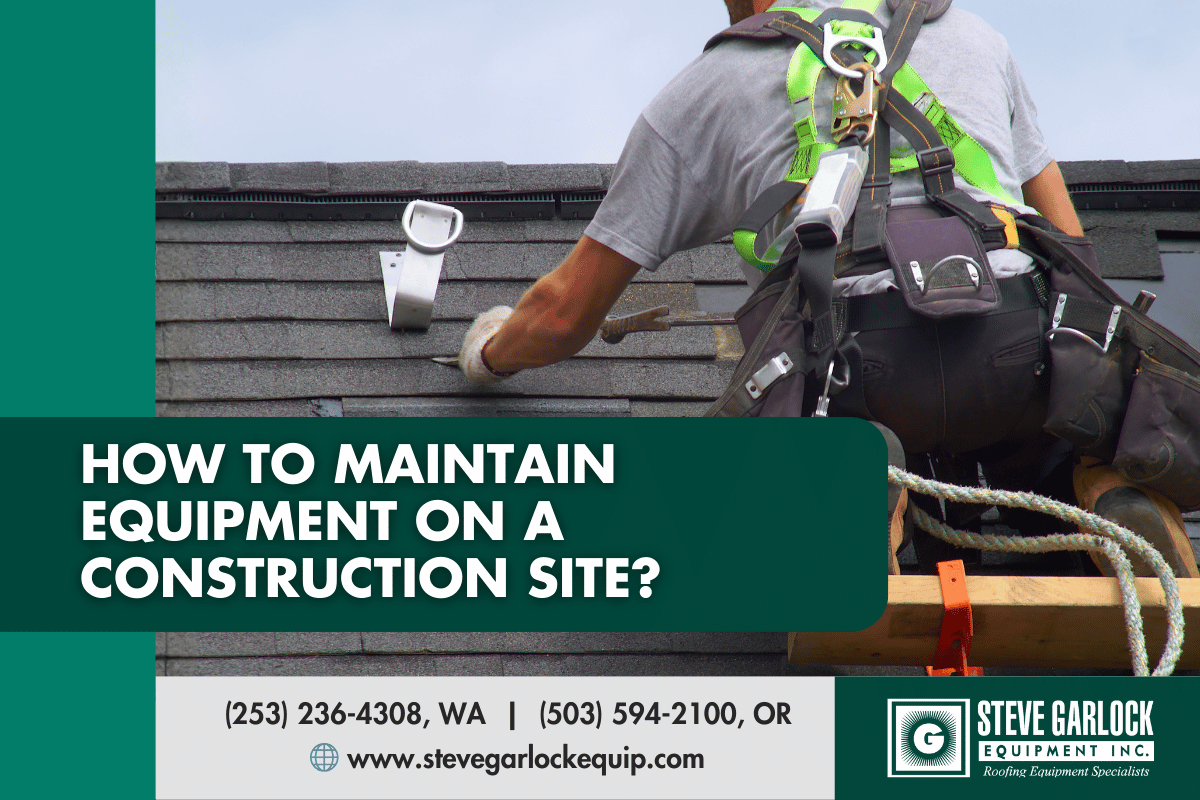
Knowing how to maintain equipment on a construction site is one of the most important responsibilities for contractors working in Washington. From heavy rainfall and cold winters to fast-paced job schedules, construction equipment in this region faces constant stress. Without a clear maintenance plan, breakdowns become frequent, safety risks increase, and project timelines suffer.
This guide explains how to maintain equipment on a construction site in Washington using proven, practical steps. Whether you manage a large commercial project in Seattle or a smaller job site near Olympia or Vancouver WA, proper equipment care helps protect your investment and keep work moving without costly interruptions.
Why Proper Construction Equipment Maintenance Matters on Washington Job Sites
Impact of Washington Weather on Construction Equipment
Washington’s climate creates unique challenges for construction equipment. Rain, moisture, and cold temperatures can cause corrosion, electrical issues, and faster wear on moving parts. Mud and debris also accumulate quickly on job sites, placing extra strain on engines, tracks, and hydraulic systems. Regular maintenance helps equipment withstand these conditions and perform reliably year-round.
Safety Risks of Poorly Maintained Equipment
Equipment that is not properly maintained is a major safety hazard. Faulty brakes, worn tires, leaking hydraulics, or malfunctioning controls can lead to serious accidents. On busy job sites in Tacoma or Seattle, even small mechanical failures can put workers at risk. Routine inspections and servicing help identify problems early and reduce the chance of injury.
Cost of Equipment Downtime for Contractors
Unplanned downtime is expensive. When a critical piece of equipment fails, crews may sit idle while repairs are arranged. Deadlines can be missed, and costs quickly add up. Understanding how to maintain equipment on a construction site helps contractors reduce downtime, control expenses, and keep projects on schedule.
How to Maintain Equipment on a Construction Site in Washington Step by Step
Create a Daily Equipment Inspection Checklist
Daily inspections are the foundation of effective equipment maintenance. Operators should check for visible damage, fluid leaks, loose components, and unusual noises before starting work. A simple checklist ensures nothing is overlooked and helps catch small issues before they become major repairs.
Follow Manufacturer Maintenance Schedules
Every piece of equipment comes with recommended service intervals. These schedules are based on operating hours and typical wear patterns. Following manufacturer guidelines ensures engines, filters, belts, and hydraulic systems receive proper care at the right time.
Keep Equipment Clean and Free of Debris
Dirt, mud, and construction debris accelerate wear and reduce efficiency. Cleaning equipment regularly helps prevent overheating, corrosion, and mechanical failure. This is especially important on wet Washington job sites where buildup happens quickly.
Monitor Fluids, Filters, and Lubrication
Fluid levels and quality directly affect performance. Oil, coolant, hydraulic fluid, and fuel systems should be checked often. Filters must be replaced as needed, and moving parts should be properly lubricated to reduce friction and wear.
Track Usage Hours and Service Intervals
Keeping accurate records of usage hours helps schedule maintenance at the right time. Tracking service history also makes it easier to spot recurring issues and plan preventive repairs before failures occur.
Preventive Maintenance Tips for Construction Equipment in Washington
Preventive vs Reactive Maintenance
Preventive maintenance focuses on routine care to avoid breakdowns, while reactive maintenance addresses problems after they occur. Preventive strategies are always more cost-effective. They reduce emergency repairs and extend equipment lifespan.
Seasonal Maintenance for Rain, Cold, and Snow
Seasonal maintenance is critical in Washington. Before winter, equipment should be checked for cold-weather readiness. During rainy months, extra attention should be given to electrical systems and corrosion protection. Seasonal adjustments keep machines operating safely in changing conditions.
Reducing Wear on High-Use Equipment
High-use equipment such as loaders and excavators experiences constant stress. Rotating equipment when possible, monitoring operator habits, and servicing components early helps reduce excessive wear and avoid premature failure.
Common Construction Equipment That Requires Regular Maintenance
Excavators, Loaders, and Dozers
These machines rely heavily on hydraulic systems and undercarriage components. Regular inspections, fluid checks, and cleaning are essential to keep them operating efficiently.
Compactors and Rollers
Compaction equipment must maintain consistent vibration and pressure. Worn components can affect performance and job quality, making regular servicing critical.
Aerial Lifts and Access Equipment
Aerial lifts require strict maintenance to ensure worker safety. Controls, hydraulics, and safety systems must be inspected frequently.
Power Tools and Small Job Site Equipment
Smaller tools are often overlooked, but they also require regular care. Proper storage, cleaning, and inspection help extend their usable life and prevent safety issues.
What Are the Signs of Equipment Maintenance Problems on a Construction Site?
Unusual Noises, Vibrations, or Leaks
Strange sounds, excessive vibration, or visible leaks often indicate internal problems. These signs should never be ignored.
Decreased Performance or Power Loss
If equipment struggles to perform routine tasks or consumes more fuel than usual, maintenance may be overdue.
Warning Lights and Error Codes
Modern equipment often includes onboard diagnostics. Warning lights and error codes provide early alerts that should be addressed immediately.
Increased Fuel or Oil Consumption
Higher-than-normal fluid consumption can signal internal wear or leaks. Early detection prevents larger mechanical failures.
How Often Should You Maintain Construction Equipment on a Job Site?
Daily, Weekly, and Monthly Maintenance Tasks
Daily inspections, weekly cleaning and lubrication, and monthly servicing create a balanced maintenance routine. This structured approach keeps equipment reliable and safe.
Maintenance Based on Usage Hours
Some equipment requires maintenance after specific operating hours. Tracking usage ensures service is performed at the right intervals.
When to Schedule Professional Servicing
Professional servicing is recommended for complex repairs, diagnostics, and major component replacements. Expert support ensures repairs are done correctly and safely.
How Much Does Construction Equipment Maintenance Cost in Washington?
Average Preventive Maintenance Costs
Preventive maintenance costs vary by equipment type and usage. However, routine servicing is far less expensive than major repairs or replacements.
Cost of Emergency Repairs vs Regular Maintenance
Emergency repairs often cost significantly more due to downtime, labor, and replacement parts. Regular maintenance helps avoid these unexpected expenses.
How Maintenance Reduces Long-Term Equipment Expenses
Consistent maintenance extends equipment lifespan, improves fuel efficiency, and preserves resale value. Over time, these benefits outweigh the cost of routine servicing.
How Equipment Storage and Handling Affects Maintenance
Proper On-Site Storage Practices
Storing equipment properly when not in use protects it from weather damage and unauthorized use. Covered storage and secure locations reduce wear and theft risk.
Protecting Equipment During Downtime
During project delays or seasonal shutdowns, equipment should be cleaned, serviced, and stored correctly to prevent deterioration.
Transportation and Handling Best Practices
Safe transportation prevents damage during delivery and pickup. Proper loading, securing, and handling protect equipment components and reduce repair needs.
Why Choose Professional Equipment Support for Construction Sites in Washington?
Benefits of Working With Experienced Equipment Providers
Experienced providers understand the demands of Washington job sites. They offer reliable equipment that is properly maintained and ready for use.
Reducing Liability and Safety Risks
Professionally maintained equipment lowers the risk of accidents and compliance issues, protecting contractors and workers alike.
Access to Well-Maintained, Job-Ready Equipment
Access to job-ready equipment allows contractors to focus on productivity instead of repairs and maintenance logistics.
How Steve Garlock Equipment Supports Equipment Maintenance for Washington Job Sites
Professionally Maintained Equipment Fleet
Steve Garlock Equipment provides a fleet that is inspected, serviced, and maintained to high standards. This ensures reliable performance on demanding job sites.
Reliable Delivery and Pickup Scheduling
Efficient delivery and pickup services help contractors stay on schedule. Equipment arrives ready to work and is removed promptly when no longer needed.
Support for Short-Term and Long-Term Projects
Whether for a short-term task or a long-term construction project, flexible equipment solutions support varying project needs across Washington.
Serving Washington and Beyond From Portland Oregon
Equipment Delivery Along the I-5 Corridor
Steve Garlock Equipment delivers professional equipment to job sites along the I-5 corridor, including:
- Vancouver WA
- Olympia
- Tacoma
- Seattle
- Everett
Extended Service Areas
Equipment is also shipped throughout:
- Oregon
- Montana
- Wyoming
- Colorado
- Arizona
- Alaska
- Hawaii
Frequently Asked Questions About Maintaining Equipment on a Construction Site
How can I reduce equipment breakdowns on a construction site?
Routine inspections, preventive maintenance, and proper operator training are the most effective ways to reduce breakdowns.
What maintenance tasks should operators handle daily?
Operators should perform visual inspections, check fluid levels, clean equipment, and report any unusual behavior before operation.
Is renting maintained equipment better than owning?
Renting professionally maintained equipment reduces maintenance responsibility and ensures access to reliable, job-ready machines.
Final Tips for Maintaining Construction Equipment on Washington Job Sites
Build Maintenance Into Daily Operations
Make maintenance a standard part of daily workflows. Consistency is key to preventing issues.
Train Operators on Equipment Care
Proper training helps operators recognize early warning signs and handle equipment correctly.
Partner With a Reliable Equipment Provider
Working with a trusted provider simplifies maintenance and improves job site efficiency.
Contact Steve Garlock Equipment
Choosing the right equipment partner plays a major role in how to maintain equipment on a construction site effectively. Steve Garlock Equipment supports contractors with dependable, professionally maintained equipment designed to perform in Washington’s challenging conditions.
With a strong focus on safety, reliability, and customer service, the team provides flexible equipment solutions for projects of all sizes. From delivery along the I-5 corridor to extended shipping across western states, service coverage is built to support demanding construction schedules.
For contractors seeking reliable equipment support across Washington and beyond, Steve Garlock Equipment delivers proven solutions that keep job sites productive, safe, and on schedule.